Screen-Free Wins: How Table Hockey Boosts Kids' Social and Developmental Skills
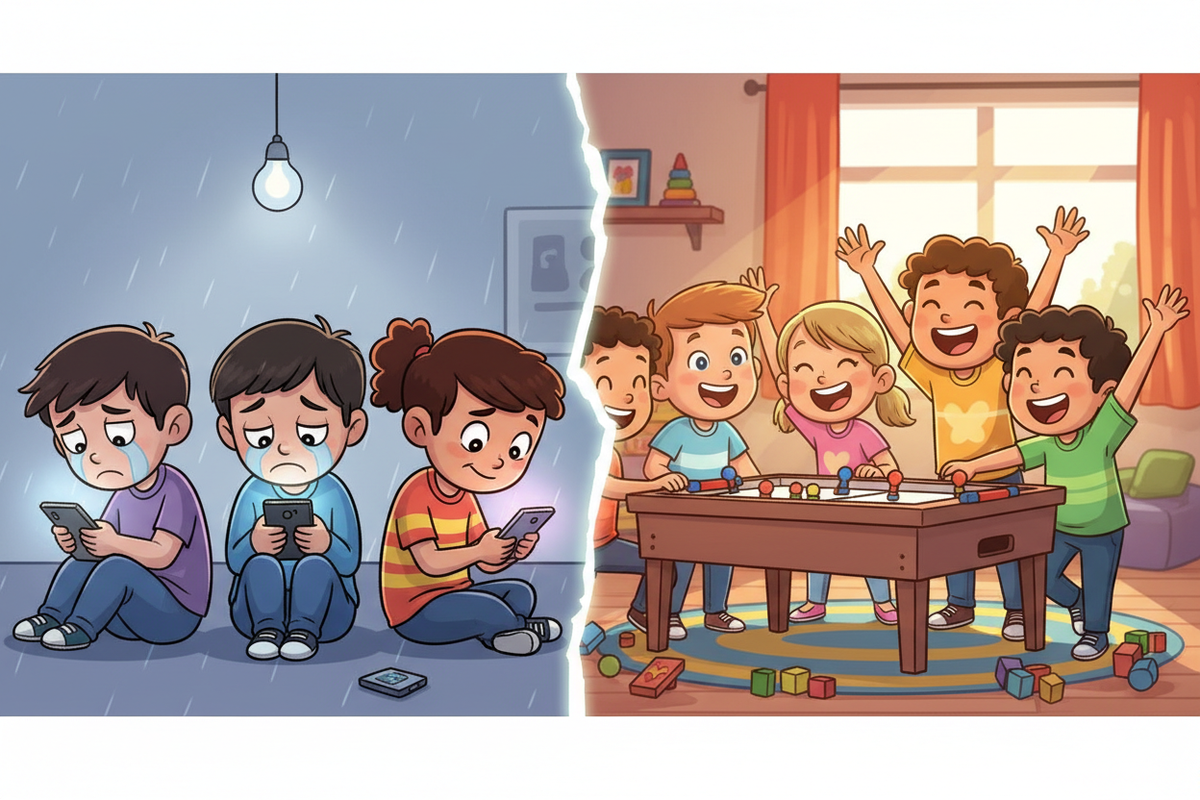
As parents and educators, we all know the pull of screens is real. Kids today spend hours scrolling, swiping, and zoning out. But what if there was a simple, fun way to shift their focus to real-world play that actually builds essential skills? Enter table hockey – a classic game that's making a comeback for good reason.
From my years coaching kids in table hockey, I've seen firsthand how this non-screen activity sparks social growth, fine motor skills, and emotional resilience. Here's why it's a game-changer for child development.
The Social Magic: Learning Teamwork Without Words
Table hockey isn't just about scoring goals; it's a mini social skills lab.
Kids quickly learn turn-taking as they control rods on their side of the table. No yelling required – the game enforces fair play naturally. One session I coached, a shy 7-year-old who barely spoke up joined a group. By the third match, he was cheering his partner's saves and high-fiving after a win.
This mirrors real-life social development: shared goals build empathy and cooperation, key for ages 5-12 when peer bonds form. Research from child psychologists shows hands-on games like this reduce isolation better than structured talks. Phones down, connections up.
Fine Motor and Cognitive Boosts in Every Shot
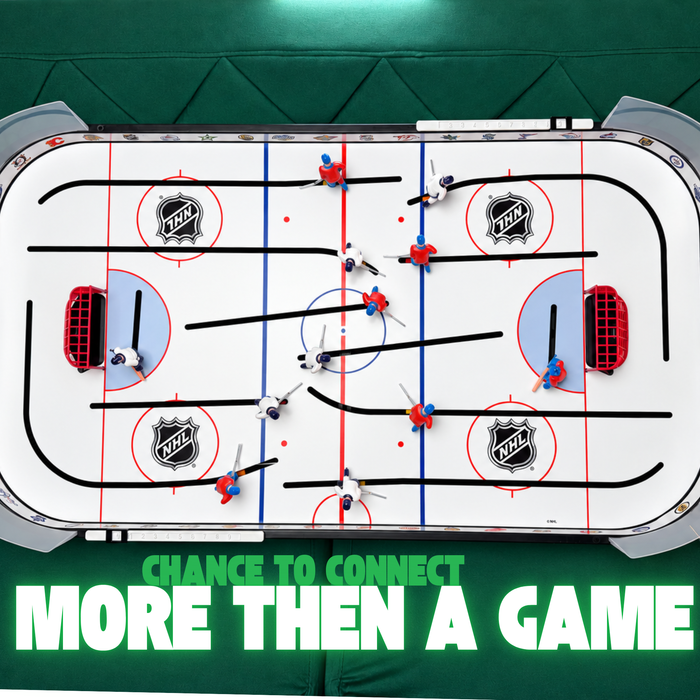
Pulling rods, flicking pucks, defending the net – table hockey is packed with physical skill-building.
- **Fine motor mastery**: Precise hand-eye coordination strengthens small muscles, prepping kids for writing or tying shoes.
- **Strategy thinking**: Predicting opponent's moves hones problem-solving, like chess but faster and funnier.
- **Quick decisions**: Split-second shots teach focus without the overwhelm of team sports.
In my trainings, screen-glued kids transform. Fingers that scrolled TikTok endlessly now grip rods with purpose. One boy, glued to his phone on arrival, forgot it entirely after 10 minutes – his hands buzzing from real action. Developmental experts note these activities wire the brain for better attention spans long-term.
Emotional Growth: Handling Wins, Losses, and Laughs
Games teach what screens can't: emotional regulation.
Kids feel the thrill of a goal, the sting of a miss, and the joy of trash-talk (the clean kind). They learn resilience – "Next shot!" – without rage-quitting an app.
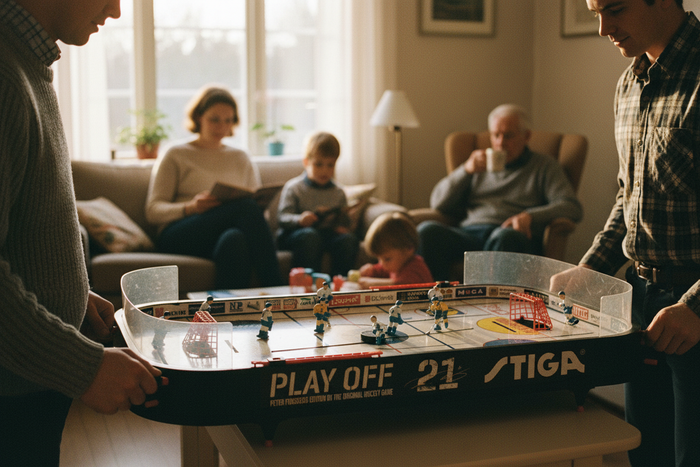
My favorite moment: a competitive girl lost 5-0, slammed her rods (gently), then laughed and demanded a rematch. No tantrum, just growth. This builds grit and positive coping, vital as kids hit tween years. Plus, family play strengthens bonds – parents vs. kids creates shared memories minus notifications.
Why Table Hockey Beats Other Screen-Free Options
Compared to puzzles or crafts, table hockey adds competition, which kids crave. It's quick-setup (under 2 minutes), repeatable, and inclusive for ages 5+.
No complex rules mean instant engagement – perfect for short attention spans. And it's portable: kitchen table, floor, or playroom. Parents report kids asking for "one more game" instead of "one more video."
Practical Tips for Parents: Start Your Table Hockey Habit
Ready to try? Here's how to make it developmental gold:
1. **Set a ritual**: 15 minutes pre-dinner, phones in another room.
2. **Keep it fun-first**: First to 5 goals wins a small prize (hug or sticker).
3. **Mix it up**: Parent-kid teams one round, siblings next.
4. **Reflect lightly**: "What was your best shot?" to build language skills.
You don't need pro skills – just show up. Kids mimic your enthusiasm, turning play into bonding.
The Bigger Picture: A Healthier Childhood Balance
In a world of endless apps, table hockey offers balance. It fights screen fatigue while nurturing social confidence, motor skills, and emotional strength – all backed by play-based learning principles.
I've watched dozens of kids drop phones without protest, drawn to the puck's clack and the roar of a goal. As coaches and parents, let's lean into these wins. Your family's table hockey time isn't just play – it's an investment in thriving kids.
Grab a table and start. The goals (and growth) will follow.

Like our articles? Add Table Hockey Global as a preferred source, and Google will show you more of them.