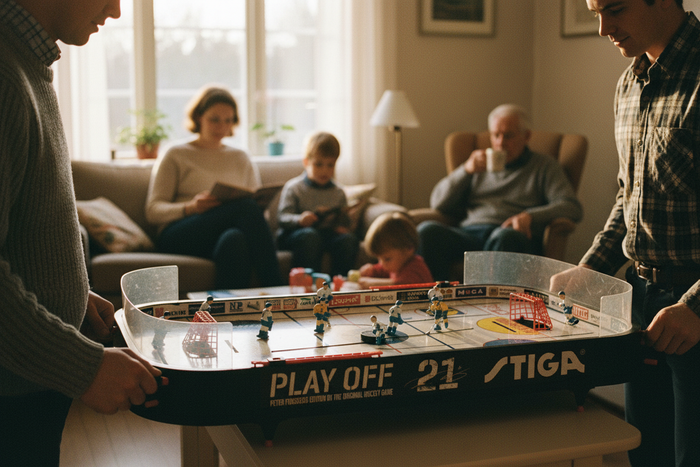
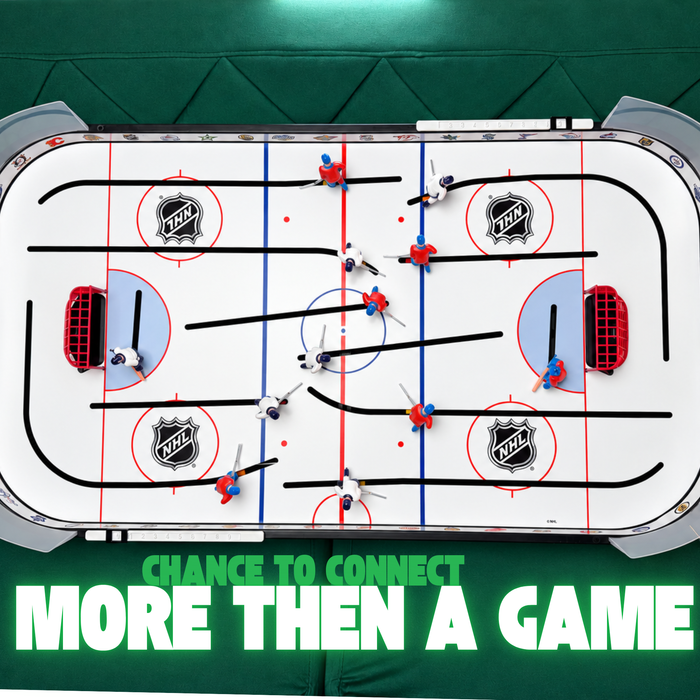
What is senior table hockey? Guide for veteran players 2026
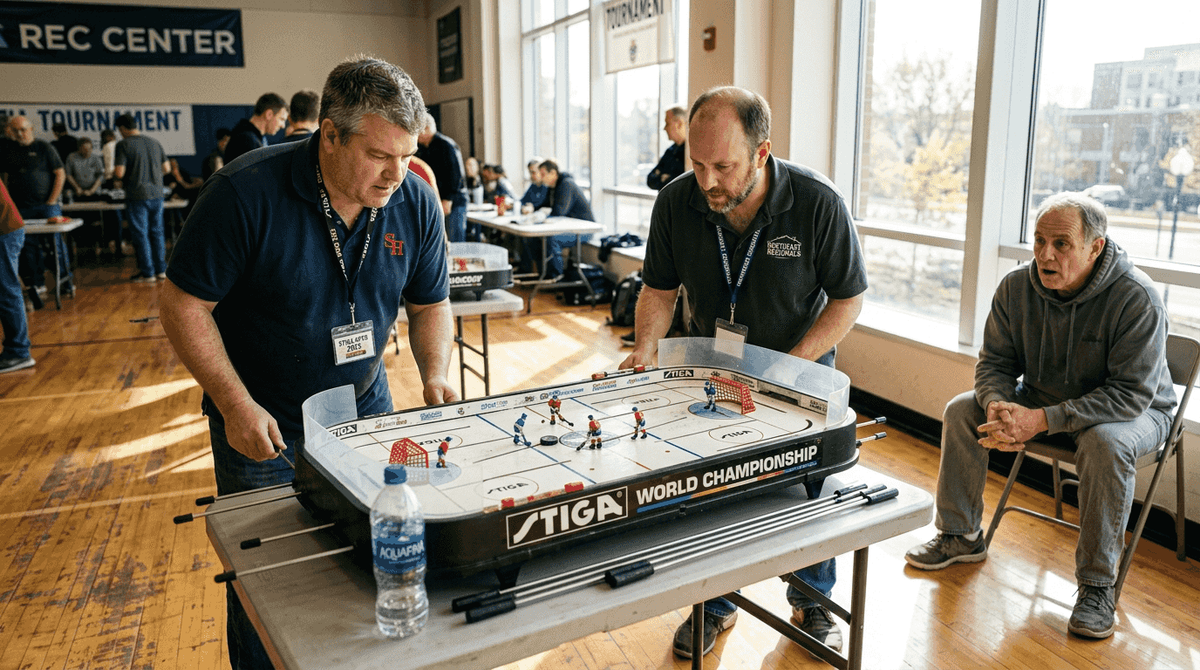
Many assume table hockey is just a casual basement pastime, but the reality is far more competitive and organized. Senior table hockey, officially known as the Veterans category in ITHF competition, brings together players aged 40 and above from around the world for structured tournaments, standardized equipment, and serious skill development. This guide walks you through the rules, competitive landscape, key skills, and how to connect with the thriving veteran table hockey community in 2026.
Table of Contents
- Understanding Senior (Veteran) Table Hockey And Its Rules
- Competitive Landscape: Top Veterans, Tournaments, And Rankings
- Skill Focus And Game Strategy For Veteran Players
- How To Connect With The Senior Table Hockey Community And Improve Through Tournaments
- Join The Senior Table Hockey Community With Table Hockey Global
Key takeaways
| Point | Details |
|---|---|
| Veterans category defined | Senior table hockey is the official ITHF Veterans category for players 40 and older, using standardized Stiga tables in organized tournaments. |
| Tournament structure | Veterans compete in dedicated divisions at European Championships and World Tour events like Chicago Open and Detroit Stiga Championship. |
| Top players and countries | Sweden and Finland dominate veteran rankings, with Hans Österman leading at 4362 points and competition spanning multiple continents. |
| Skill focus areas | Veteran players prioritize defensive positioning, quick precise shots, and rod control over pure reaction speed. |
| Community connection | ITHF-affiliated clubs and World Tour events provide veteran players with peer networking, skill improvement, and competitive opportunities. |
Understanding senior (veteran) table hockey and its rules
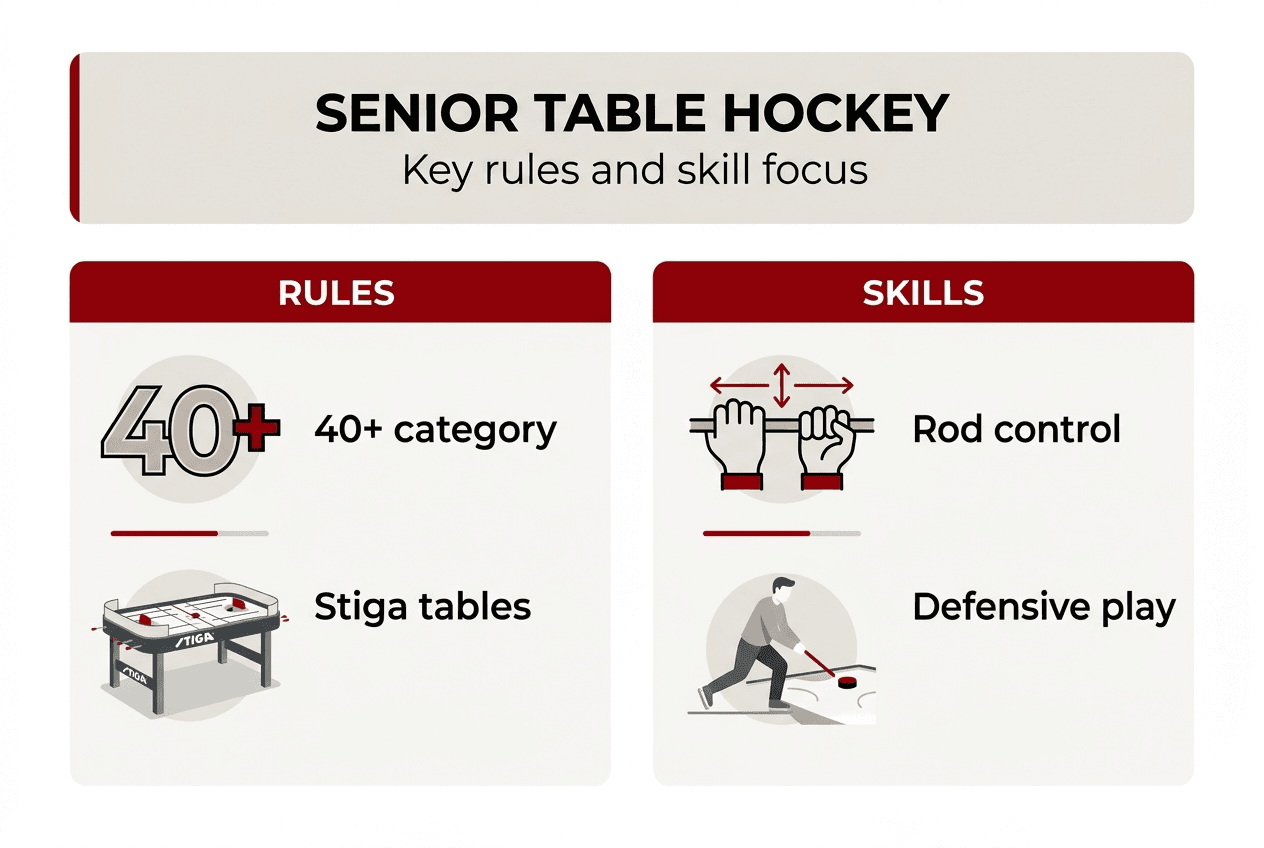
The Veterans category is officially 40 and over in ITHF table hockey, creating a dedicated competitive space where experience and strategy matter as much as reflexes. This classification recognizes that reaction time naturally decreases with age, so veterans rely more on game knowledge, positioning, and tactical awareness than explosive speed. Super Veterans (55+) form an additional category, ensuring players across age ranges find appropriate competition levels.
All official veteran tournaments use standardized Stiga tables modified specifically for competitive play. The key modification involves removing goal cups to create a flat playing surface, which changes puck behavior and requires adjusted shooting techniques. Tables measure precisely to ITHF specifications, ensuring consistent play conditions across international events. You’ll find these same tables whether competing in Stockholm, Chicago, or Detroit.
Core rules shape how veterans approach each match and develop their skills:
- No passing between rods is allowed, forcing players to advance the puck through individual rod movements and strategic positioning
- Puck shots from your own half only, meaning you must control the puck in your defensive zone before attempting offensive plays
- Best-of series format typically uses best of three or best of five games, with each game played to a set goal count or time limit
- Stuck puck rules require specific handling when the puck becomes trapped, testing your knowledge of edge cases and rule nuances
Understanding these equipment standards and rule variations separates casual players from serious competitors. Veterans who master the modified table dynamics and strategic rule applications gain significant advantages in tournament settings. The combination of standardized equipment and clear rule frameworks creates a level playing field where skill and experience shine through.
Competitive landscape: top veterans, tournaments, and rankings
The international veteran table hockey scene showcases impressive depth and geographic diversity. Top Veterans players include Hans Österman at rank 1 with 4362 points, followed by strong competitors from Sweden, Finland, and other European nations. These rankings reflect cumulative performance across multiple seasons, with points awarded based on tournament placement and event prestige. Sweden and Finland dominate the top 20 veteran rankings, but players from North America, Germany, and other countries continue building competitive programs.
Ranking points accumulate through several pathways. Super Series wins carry the highest point values, followed by placements at sanctioned World Tour events and regional championships. Veterans must maintain active tournament participation to preserve their rankings, as points decay over time without fresh results. This system rewards consistent performance rather than single breakthrough victories, favoring players who regularly compete at high levels.
Veterans compete in distinct categories at European Championships and open World Tour events, with dedicated brackets ensuring age-appropriate competition. The European Championships rotate host cities annually, drawing 100+ veteran competitors for multi-day tournaments. World Tour events like the Chicago Open and Detroit Stiga Championship feature robust veteran divisions alongside open class competition, creating opportunities to watch elite players and benchmark your own performance.
Here’s a snapshot of major veteran-friendly tournaments in 2026:
| Tournament | Location | Veteran Categories | Typical Attendance |
|---|---|---|---|
| European Championships | Rotating (Europe) | Veterans 40+, Super Veterans 55+ | 100-150 veterans |
| Chicago Open | Chicago, USA | Veterans 40+ | 40-60 veterans |
| Detroit Stiga Championship | Detroit, USA | Veterans 40+, Super Veterans 55+ | 50-80 veterans |
| World Tour Events | Various international | Veterans 40+ (selected events) | Varies by location |
The European veteran table hockey scene offers the densest concentration of competitive opportunities, with multiple national championships feeding into continental events. North American veterans benefit from growing tournament infrastructure, particularly in the Great Lakes region where table hockey tradition runs deep. Understanding this competitive landscape helps you identify realistic goals and select tournaments matching your skill level and travel capacity.
Skill focus and game strategy for veteran players
Veteran players develop distinct skill profiles that compensate for natural decreases in reaction time. Defensive positioning, quick shots, and precise rod control form the foundation of successful veteran play, with emphasis on reading opponent tendencies and controlling game tempo. You’ll notice top veterans rarely make rushed decisions, instead using superior positioning to limit opponent shooting angles and force mistakes.
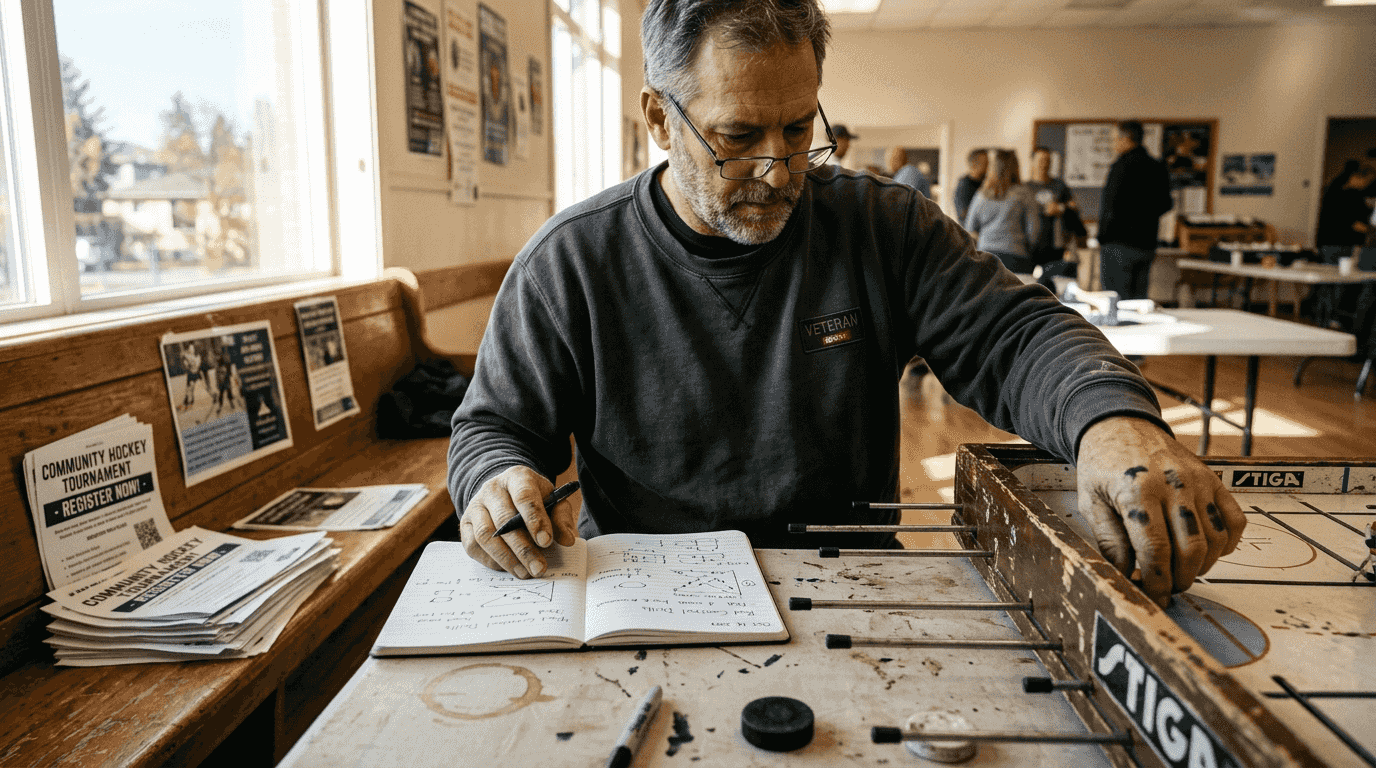
Defensive mastery separates good veterans from great ones. This means maintaining optimal rod spacing to block passing lanes, anticipating opponent shot patterns based on puck position, and using subtle rod movements to bait poor shot selection. Veterans who excel defensively control match rhythm, frustrating younger opponents who rely on speed and forcing extended possessions that favor experience. Your defensive positioning should feel like a chess game, with each rod placement setting up the next defensive or offensive opportunity.
Offensive execution for veterans prioritizes accuracy and deception over raw power. Quick precise shots from unexpected angles create more scoring chances than telegraphed power attempts. Work on developing multiple release points from each rod position, making your shooting patterns unpredictable. The best veteran shooters can score from positions that seem defensively sound, using subtle wrist flicks and rod rotations to generate deceptive puck movement.
Handling special rules like stuck puck situations requires experience and muscle memory that only develops through repeated tournament play. When the puck lodges against the board or becomes trapped between rods, rule-compliant resolution techniques determine possession and momentum. Veterans who’ve encountered these situations hundreds of times react instinctively, while less experienced players hesitate and lose advantage.
Skill improvement benefits from regular tracking and learning from peers, particularly in veteran-specific practice groups where players share similar physical capabilities and strategic approaches. Consider these focused development areas:
- Rod control smoothness through deliberate slow-motion practice, building muscle memory for fluid movements
- Shot variety expansion by practicing releases from unconventional positions and angles
- Defensive reading skills via video analysis of top veteran matches, noting positioning patterns
- Tournament pressure management through regular competitive play, even in lower-stakes local events
Pro Tip: Focus on balance and smooth rod movements for speed gains and control. Jerky, aggressive rod handling creates inconsistent results and increases error rates. The smoothest veterans generate surprising speed through efficient technique rather than muscular force, a approach that mirrors principles from other precision sports where fluid motion beats tense power.
How to connect with the senior table hockey community and improve through tournaments
Finding and joining ITHF-sanctioned clubs forms your entry point into organized veteran table hockey. Start by visiting the ITHF official website to locate affiliated clubs in your region, then reach out directly to inquire about veteran-specific practice times and membership requirements. Many clubs organize age-grouped practice sessions, recognizing that veterans prefer training with peers who share similar playing styles and physical capabilities.
Follow these steps to integrate into the veteran table hockey community:
- Identify ITHF-affiliated clubs within reasonable travel distance using the official ITHF club directory and regional table hockey association websites.
- Attend open practice sessions or club nights to observe skill levels, meet current members, and assess whether the club culture fits your competitive goals.
- Register for local league play to build consistent competition experience before attempting regional or international tournaments.
- Connect with veteran players through club social channels, learning about upcoming tournaments and carpooling opportunities to events.
- Enter your first sanctioned tournament in the Veterans category, focusing on learning rather than winning, and using the experience to identify skill gaps.
- Build a tournament schedule that balances local events for regular competition with 2-3 major tournaments annually for ranking points and broader networking.
Veterans 40 and over focus on World Tour events like Chicago Open and Detroit Stiga Championship, which offer strong veteran fields and well-organized competition formats. These events typically run over long weekends, featuring round-robin group stages followed by knockout brackets. The multi-day format allows time for socializing between matches, creating natural networking opportunities with players from different countries and regions.
European Championships provide the highest level of veteran competition, drawing top-ranked players and offering the most ranking points. If you’re serious about climbing veteran rankings, prioritize European Championships attendance even if it requires international travel. The competitive intensity and player quality at these events accelerate skill development more than any amount of practice.
Regular tournament play delivers benefits beyond ranking points and medals. You’ll develop mental toughness through pressure situations, learn tactical adjustments from observing diverse playing styles, and build lasting friendships with fellow veterans who share your passion. The veteran table hockey community values sportsmanship and mutual support, creating an environment where competitive intensity coexists with genuine camaraderie.
Pro Tip: Participate in local leagues before advancing to international tournaments for steady improvement. Local competition provides low-pressure repetition that builds fundamental skills and confidence. You’ll make more mistakes in local play, but each error becomes a learning opportunity without the stress of expensive travel or high-stakes brackets. Once you’re consistently competitive locally, you’re ready for the step up to regional and international events.
Consider advanced play techniques and systematic progress tracking as you deepen your involvement in veteran table hockey. These resources help you identify specific weaknesses and measure improvement over time, transforming casual tournament participation into deliberate skill development.
Join the senior table hockey community with Table Hockey Global
You’ve learned the fundamentals of veteran table hockey competition, from ITHF rules and equipment standards to tournament landscapes and skill development strategies. Now it’s time to put that knowledge into action with a community built specifically for players like you.
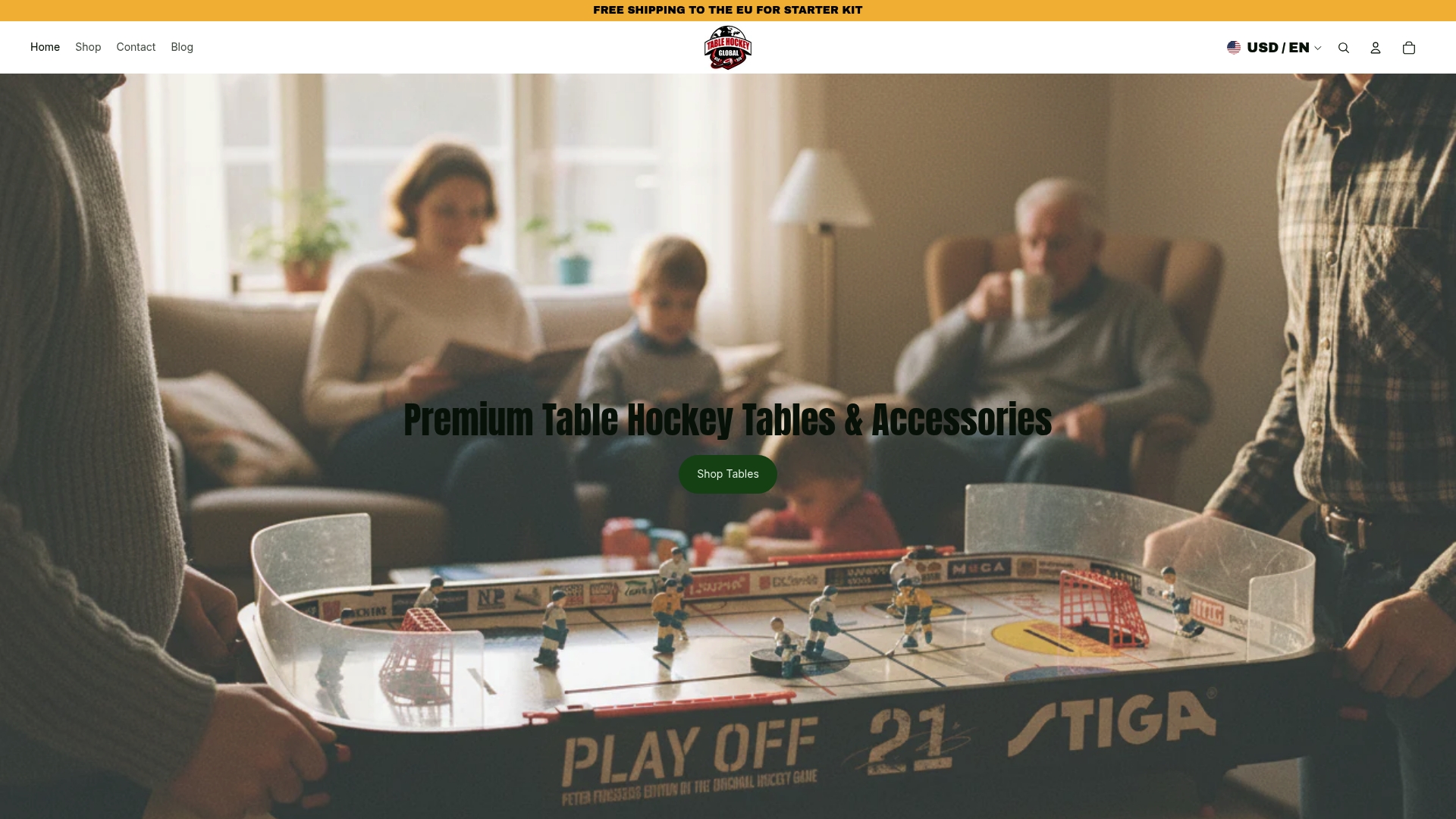
Table Hockey Global connects veteran players worldwide, offering resources tailored to the 40+ table hockey community. Whether you’re searching for nearby clubs, planning your tournament schedule, or looking to refine specific skills through guided practice routines, Table Hockey Global provides the tools and connections you need. The platform brings together everyone from beginners exploring their first tournament to seasoned veterans chasing ranking points, creating a supportive environment where experience is valued and shared. Join thousands of players who’ve made Table Hockey Global their home base for competitive growth and community connection.
FAQ
What equipment is used in senior table hockey tournaments?
Official veteran tournaments use standardized Stiga tables with goal cups removed for flat playing surfaces. Tables meet precise ITHF specifications for dimensions, rod placement, and surface materials. Players typically use their own rods and figures within regulation standards, though some tournaments provide standardized equipment sets. Pucks must meet official size and weight requirements, with most events using approved ITHF pucks.
How can veteran players improve their table hockey skills effectively?
Skill improvement centers on defensive positioning, quick accurate shots, and precise rod control rather than reaction speed. Tracking your progress systematically helps identify specific weaknesses and measure development over time. Regular practice with fellow veterans builds game sense and tactical awareness that only comes from repeated competitive situations. Focus on smooth, controlled movements rather than aggressive power play, as fluid technique generates better long-term results for veteran players.
Which major tournaments feature senior table hockey for veterans?
Veterans compete in European Championships and World Tour events like Chicago Open and Detroit Stiga Championship. European Championships rotate host cities annually and draw the largest veteran fields with 100+ competitors. North American events including Chicago Open and Detroit Stiga Championship offer strong veteran divisions with 40 to 80 participants. Many national championships also feature dedicated veteran categories, providing local competitive opportunities throughout the year.
What age categories exist in competitive table hockey?
Competitive table hockey includes Juniors Under 13, Juniors Under 18, Women, Veterans 40+, Super Veterans 55+, and Open Class. Veterans 40+ and Super Veterans 55+ categories ensure age-appropriate competition where experience can offset natural decreases in reaction time. Open Class allows all ages to compete together, creating opportunities for veterans to test themselves against younger players. This category structure ensures everyone finds suitable competition levels regardless of age or experience.
How do veteran rankings work in ITHF table hockey?
Rankings accumulate points through tournament placements, with Super Series wins and major championships awarding the most points. Points decay over time without fresh tournament results, rewarding consistent active competition. Sweden and Finland dominate top veteran rankings, though players from multiple countries compete for positions. Your ranking determines seeding at major tournaments and provides objective measurement of competitive standing within the global veteran community.
Recommended
- Master advanced table hockey play: skills and strategies 2026 – Table Hockey Global
- Track table hockey progress and improve your game in 2026 – Table Hockey Global
- Top 4 hockeytablegames.com Alternatives 2026 – Table Hockey Global
- Table Hockey in Europe: Your Guide to the Thriving Scene – Table Hockey Global

Like our articles? Add Table Hockey Global as a preferred source, and Google will show you more of them.