Why Table Hockey is a Game-Changer for Your Kid's Brain and Skills

Ever notice how your child lights up during a quick game but zones out on screens? Table hockey delivers that spark with real benefits, backed by university research on tabletop games and child development.[web:1][web:2]
Sharpening Smarts Through Play
Studies show fast-paced table games like table hockey build executive functions—planning, focus, and flexibility—essential for homework and life.[web:6][web:22] A review of board and analog games found kids improved working memory and inhibition, with math skills jumping after regular play.[web:9][web:15]
Table tennis research (a puck-tracking cousin) boosted attention and reaction time in kids after consistent sessions, per PMC experts.[web:5] Your living room table hockey match trains the same neural pathways.
Building Bodies and Coordination
Precise rod control in table hockey hones fine motor skills and hand-eye sync, as confirmed by studies on hockey table games.[web:1] Floor hockey interventions enhanced motor proficiency in kids, measured via standardized tests.[web:19]
| Skill Boost | How Table Hockey Helps | Research Backing |
|---|---|---|
| Reaction Time | Block rapid shots | Table tennis gains[web:5] |
| Precision | Aim puck strikes | Foosball studies[web:13] |
| Focus | Strategy shifts | Executive function reviews[web:6][web:10] |
Social Magic and Emotional Strength
Tabletop play fosters teamwork and resilience, with team sports linked to better brain development.[web:4][web:7] Analog games promote collaboration and emotional regulation, per systematic reviews.[web:12]
Kids in hockey programs showed cognitive and social gains, proving quick games beat downtime.[web:21]
Science Meets Family Fun
Board games alone lifted young kids' math via play, reports SciTechDaily.[web:15] Table hockey packs cognitive, motor, and social perks into 10 minutes—ideal for busy parents.[web:8][web:26]
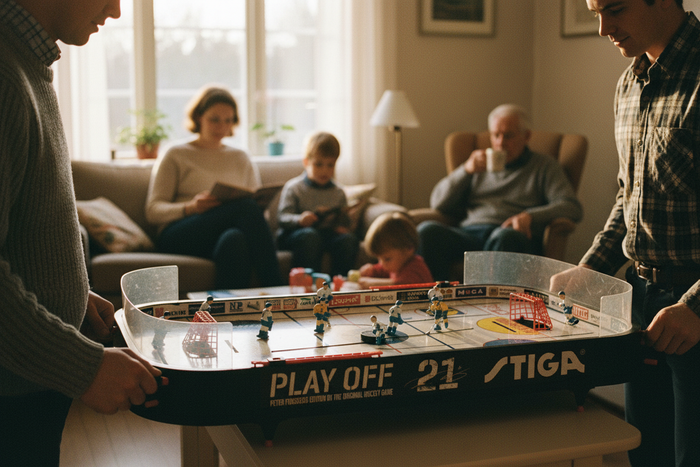
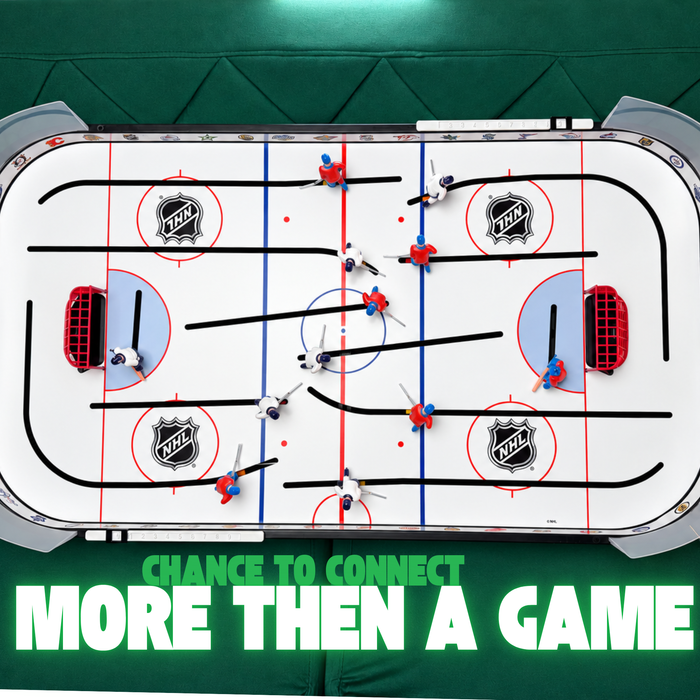
Table hockey action like this builds skills effortlessly during family time.[web:24]
Ditch the scroll for rods—your kid's future self will thank you.[web:2][web:5]

Like our articles? Add Table Hockey Global as a preferred source, and Google will show you more of them.