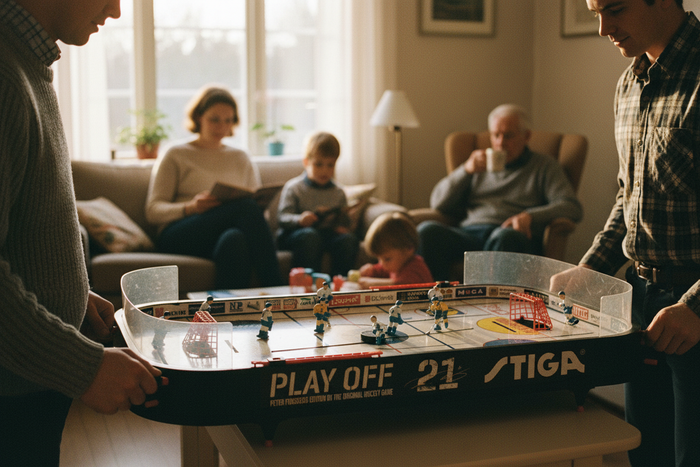
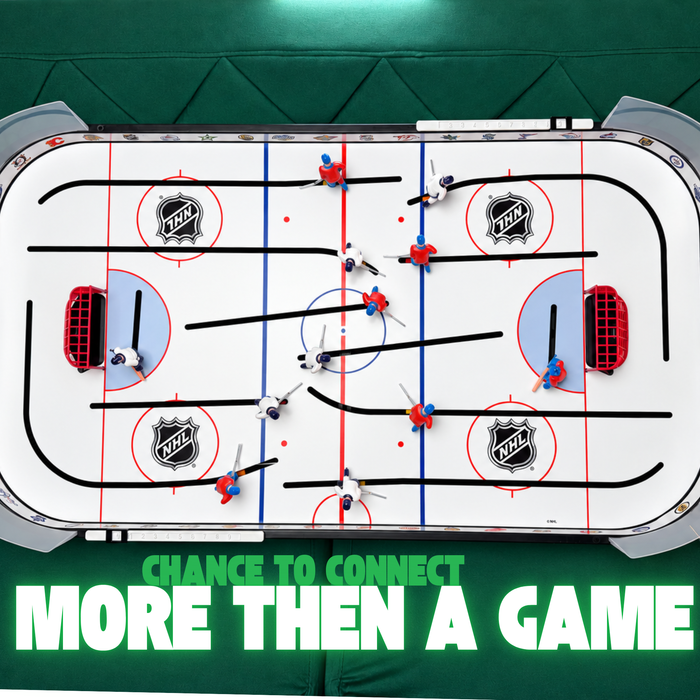
Hockey da tavolo da campionato: regole, gioco e panorama globale
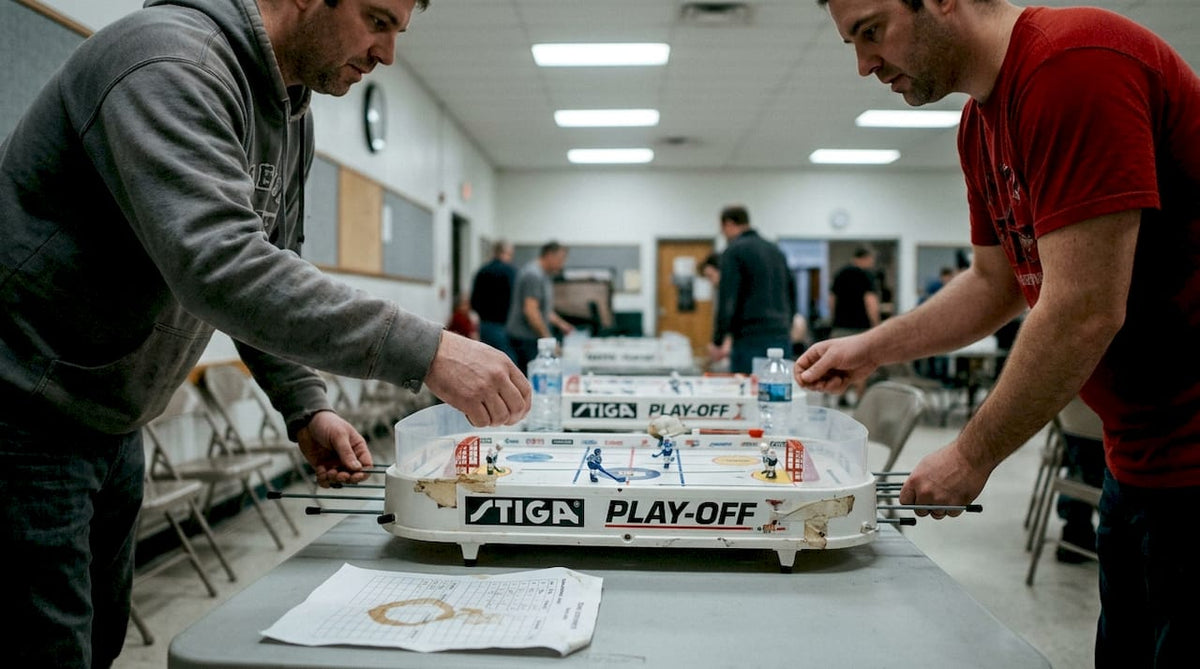
Molti pensano che il calcio balilla (o hockey da tavolo) sia solo un gioco per famiglie da tirare fuori durante le feste. In realtà, l'hockey da tavolo a livello agonistico è uno sport strutturato e regolamentato a livello internazionale, con regole standardizzate, attrezzatura ufficiale e una comunità globale estremamente competitiva. Questo articolo tratta le regole ufficiali, i requisiti dell'attrezzatura, le abilità d'élite e la scena dei tornei mondiali. Che tu sia un principiante o che tu gareggi già, comprendere il livello agonistico cambierà la tua visione di ogni partita.
Indice dei contenuti
- Cos'è l'hockey da tavolo agonistico?
- Le regole ufficiali: come si gioca a hockey da tavolo agonistico
- Attrezzatura e configurazione del tavolo: cosa rende unico il gioco agonistico
- Abilità, strategie e cosa distingue i campioni
- La scena agonistica: tornei, paesi leader e campioni famosi
- Domande comuni e idee sbagliate
- Pronto a migliorare il tuo gioco?
- Domande frequenti
Punti chiave
| Punto | Dettagli |
|---|---|
| Competizione standardizzata | L'hockey da tavolo agonistico si gioca seguendo regole ufficiali su tavoli Stiga designati. |
| Presenza globale | Lo sport vanta tornei internazionali e campioni provenienti da Lettonia, Svezia e altro ancora. |
| Gameplay strategico | Vincere richiede un controllo magistrale delle aste, una profonda conoscenza delle regole e tattiche offensive e difensive. |
| Attrezzatura di livello esperto | Tavoli da torneo, miniature e superfici sono rigorosamente regolamentati per garantire equità e dimostrazione di abilità. |
| Regole uniche | Regole dettagliate su partite e punteggi distinguono il gioco agonistico da quello amatoriale o dall'air hockey. |
Cos'è l'hockey da tavolo agonistico?
L'hockey da tavolo agonistico non è una variante informale del gioco. È una competizione organizzata con una struttura formale, una supervisione ufficiale e una comunità di giocatori ben definita che spazia in decine di paesi.
L'hockey da tavolo agonistico si riferisce al gioco competitivo governato dall'ITHF, che utilizza tavoli da hockey Stiga con regole standardizzate applicate a ogni evento ufficiale.
La Federazione Internazionale di Hockey da Tavolo, nota come ITHF, è l'organo di governo dello sport. Stabilisce le regole, certifica i tornei e mantiene le classifiche mondiali. I giocatori competono su tavoli da hockey da tavolo Stiga che soddisfano specifiche esatte. Il formato del campionato non è flessibile. Ogni dettaglio, dal tipo di tavolo al design delle miniature, è controllato.
Fatti chiave sull'hockey da tavolo agonistico:
- Governato dall'ITHF con giurisdizione internazionale
- Giocato esclusivamente su tavoli Stiga versione Play-off
- Attira giocatori da Europa, Nord America e oltre
- Le classifiche sono mantenute a livello globale e aggiornate dopo gli eventi ufficiali
- Esistono formati sia individuali che a squadre nei tornei principali
Le regole ufficiali: come si gioca a hockey da tavolo agonistico
Comprendere le regole è il primo passo verso il gioco competitivo. Le partite di campionato seguono una struttura precisa che lascia poco spazio all'interpretazione.
Le partite durano 5 minuti con cronometraggio continuo. Se il punteggio è in parità alla fine del tempo regolamentare, la partita passa ai tempi supplementari a morte improvvisa. Il primo gol segnato nei supplementari vince. Non ci sono periodi. Il cronometro scorre senza fermarsi, eccetto per interruzioni specifiche definite nel regolamento.
| Elemento della regola | Standard agonistico |
|---|---|
| Durata della partita | 5 minuti, cronometro continuo |
| Formato supplementari | Morte improvvisa, vince il primo gol |
| Posizione ingaggio | Centro del tavolo |
| Regola anti-stallo | Applicata con limiti di tempo |
| Rotazione (spinning) | Penalizzata se eccessiva |
Le regole fondamentali includono le procedure di ingaggio, i limiti di possesso, i criteri di convalida dei gol e la prevenzione dello stallo. Un gol non conta automaticamente solo perché il disco supera la linea. Il disco deve entrare in porta attraverso un gioco legale, senza interferenze o violazioni delle regole al momento del tiro.
Suddivisione numerata delle aree di regole principali:
- Procedura di ingaggio: il gioco inizia e riprende dal centro con entrambi i giocatori pronti
- Limiti di possesso: i giocatori non possono trattenere il disco indefinitamente senza tentare di giocare
- Convalida del gol: i gol devono essere il risultato di un movimento legale del disco e di un gioco ininterrotto
- Prevenzione dello stallo: gli arbitri impongono limiti di tempo al gioco passivo
- Penalità di rotazione: far ruotare un'asta per più di 360 gradi senza contatto viene penalizzato
Consiglio da professionista: studia le penalità e i consigli comuni prima del tuo primo torneo. Molti principianti perdono punti non per un gioco scadente, ma per violazioni delle regole evitabili. Rivedi anche le tecniche di ingaggio, poiché l'azione iniziale determina il tono di ogni possesso. Per un'analisi completa del formato di gioco, la guida alle statistiche è un riferimento utile.
Attrezzatura e configurazione del tavolo: cosa rende unico il gioco agonistico
L'attrezzatura utilizzata nel gioco agonistico non è intercambiabile con quella dei normali tavoli domestici. Ogni componente è specificato per creare un ambiente di gioco uniforme in tutti gli eventi ufficiali.
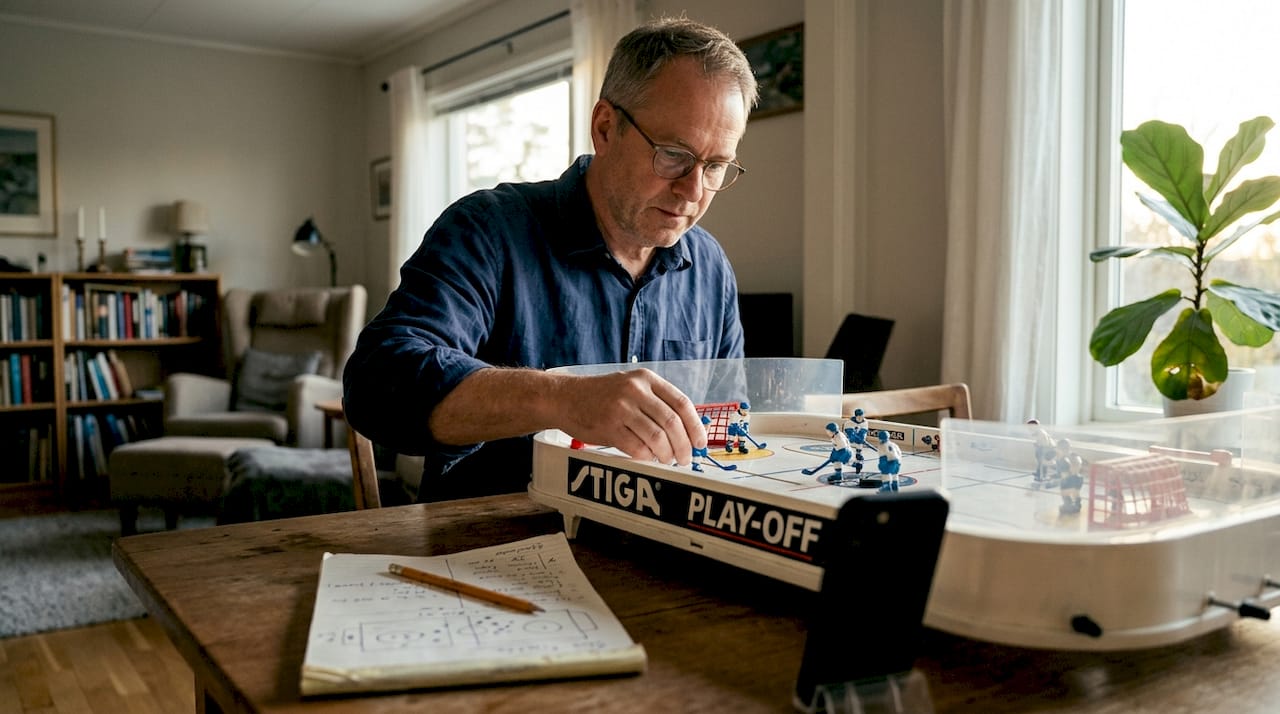
Le partite utilizzano tavoli Stiga versione Play-off con figure definite e senza retine raccogli-disco. La velocità della superficie è standard di fabbrica, il che significa che non sono consentite modifiche per far muovere il disco più velocemente o più lentamente. I tavoli devono essere livellati e fissi per evitare movimenti durante il gioco.
| Caratteristica | Tavolo agonistico | Tavolo domestico amatoriale |
|---|---|---|
| Modello tavolo | Solo Stiga Play-off | Qualsiasi modello |
| Retine raccogli-disco | Non usate | Spesso incluse |
| Modifica superficie | Non consentita | Comune |
| Tipo di miniature | Specificato dall'ITHF | Varia |
| Livellamento tavolo | Obbligatorio | Opzionale |
La guida all'attrezzatura Stiga copre l'intera gamma di modelli di tavoli e le loro differenze. Se hai giocato solo su una versione domestica, il tavolo agonistico sembrerà notevolmente diverso. L'assenza di retine cambia il modo in cui posizioni il portiere. La velocità della superficie influisce sul tempo dei passaggi. Questi non sono piccoli aggiustamenti.
Consiglio da professionista: se stai passando dal gioco amatoriale a quello agonistico, trascorri del tempo su un tavolo regolamentare prima del tuo primo evento. Le differenze tra hockey da tavolo e air hockey sono significative, e le differenze tra l'hockey da tavolo domestico e quello agonistico sono altrettanto importanti da comprendere.
Abilità, strategie e cosa distingue i campioni
La conoscenza dell'attrezzatura ti porta al tavolo. L'abilità e la strategia determinano cosa succede una volta che inizia il gioco.
I giocatori esperti padroneggiano il controllo delle aste per passaggi, tiri e difesa strategica. La rotazione eccessiva è penalizzata, quindi un movimento di precisione è essenziale a livello agonistico.
I giocatori d'élite non si affidano solo alla potenza. Usano movimenti delle aste controllati e deliberati per creare linee di passaggio, preparare i tiri e disturbare il posizionamento dell'avversario. Passaggi veloci tra le aste colgono i difensori fuori posizione. I tiri di sponda (wraparound) sfruttano gli angoli del campo per creare opportunità di punteggio inaspettate.
Abilità principali utilizzate dai migliori concorrenti:
- Controllo dell'asta: movimento laterale e rotazionale preciso per passaggi e tiri accurati
- Passaggi veloci: trasferimenti rapidi tra le aste per far avanzare il disco prima che i difensori si adattino
- Tiri di sponda: giocate angolate contro le sponde per evitare il posizionamento del portiere
- Manovre con il tallone dello stick: uso del bordo posteriore di una figura per reindirizzare il disco
- Risposte di tempo: lettura del movimento dell'avversario e reazione in frazioni di secondo
La difesa è ugualmente strutturata. I giocatori agonistici usano le loro aste difensive per bloccare le linee di passaggio, non solo per reagire ai tiri. Sapere quando mantenere la posizione e quando spostarsi è un'abilità sviluppata in centinaia di partite. Rivedi le strategie avanzate e le migliori tecniche per costruire un gioco completo.
La scena agonistica: tornei, paesi leader e campioni famosi
Il panorama competitivo dell'hockey da tavolo agonistico è veramente internazionale. Gli eventi attirano giocatori da tutta Europa e oltre, con una competizione di livello mondiale ai vertici.
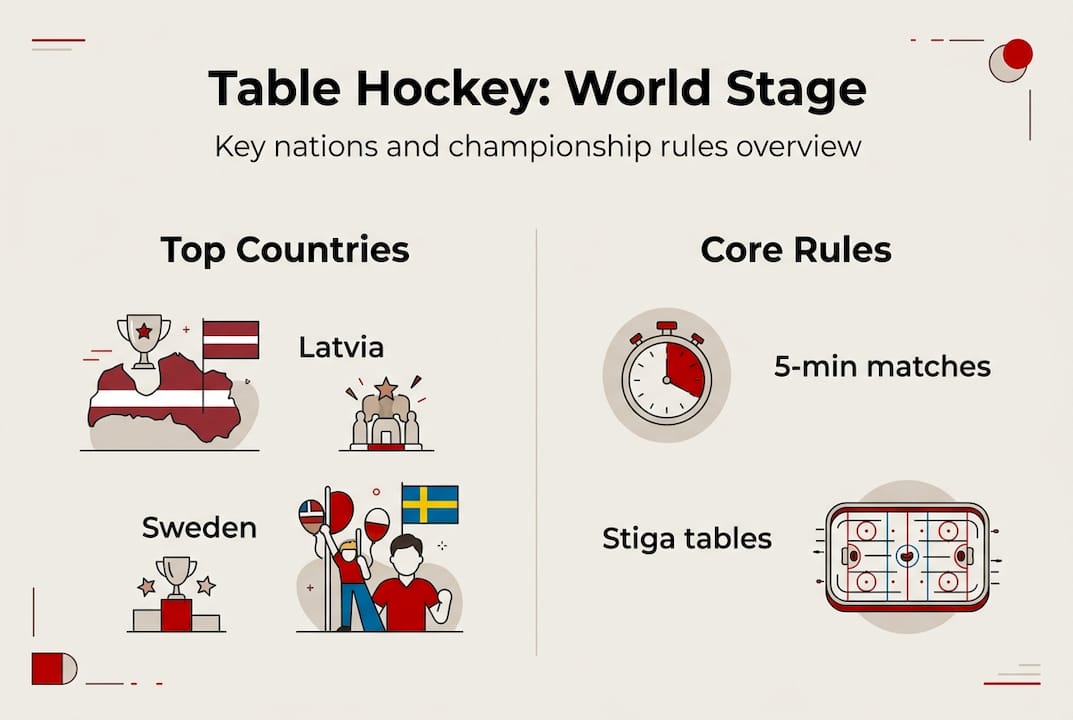
I Campionati Mondiali si tengono con cadenza biennale, con vincitori recenti provenienti da Lettonia e Ucraina. Il Campionato Mondiale 2025 ha continuato uno schema di dominio dell'Europa dell'Est a livello d'élite. Questi eventi sono l'apice dello sport e attirano i giocatori con il ranking più alto da ogni nazione partecipante.
| Paese | Forza competitiva | Risultati notevoli |
|---|---|---|
| Lettonia | Molto alta | Più campioni mondiali recenti |
| Svezia | Molto alta | Costanti piazzamenti al vertice |
| Finlandia | Alta | Forti risultati di squadra e individuali |
| Ucraina | Alta | Vittorie recenti ai mondiali |
| Russia | Alta | Nazione storicamente dominante |
Svezia, Finlandia, Russia, Lettonia e Ucraina sono le nazioni leader in questo sport. La Scandinavia e l'Europa dell'Est hanno prodotto la maggior parte dei campioni mondiali negli ultimi due decenni. Questi paesi hanno stabilito sistemi di club, federazioni nazionali e programmi di sviluppo giovanile che alimentano il talento nel circuito internazionale.
Oltre alle prime cinque, nazioni dell'Europa centrale e del Nord America stanno crescendo. Le tendenze di crescita globale mostrano un aumento della partecipazione anno dopo anno. I nuovi giocatori che entrano oggi nello sport si uniscono a una comunità con una reale profondità competitiva. Imparare a conoscere i campioni famosi dà contesto al livello di gioco al vertice.
Domande comuni e idee sbagliate
I nuovi giocatori arrivano spesso con presupposti sull'hockey da tavolo agonistico che non corrispondono alla realtà dello sport. Chiarirli subito evita confusione in seguito.
Le figure controllate dalle aste simulano il vero gioco dell'hockey, che è fondamentalmente diverso dal sistema di mazze e disco fluttuante dell'air hockey. I due giochi condividono un nome ma quasi nient'altro. Controlli, strategia, regole e attrezzatura sono categorie completamente separate.
Idee sbagliate comuni:
- “È proprio come l'air hockey”: L'air hockey usa mazze e un cuscino d'aria. L'hockey da tavolo usa figure controllate da aste che replicano le posizioni dell'hockey su ghiaccio. Vedi la panoramica completa dell'hockey da tavolo vs air hockey per un confronto chiaro.
- “Chiunque può impararlo all'istante”: Il gioco di base è accessibile, ma l'abilità a livello agonistico richiede pratica, conoscenza delle regole e sviluppo strategico.
- “Far ruotare le aste è la tecnica principale”: La rotazione eccessiva è in realtà penalizzata. Il controllo di precisione è la base del gioco d'élite.
- “Le regole sono flessibili nei tornei”: Gli eventi agonistici seguono rigorosamente le regole ITHF. Gli arbitri impongono le regole su stallo, rotazione e possesso senza eccezioni.
- “I tavoli domestici sono gli stessi di quelli da torneo”: Il modello Stiga Play-off utilizzato in competizione differisce significativamente dalle versioni consumer per superficie, figure e configurazione.
Pronto a migliorare il tuo gioco?
L'hockey da tavolo agonistico ha una struttura chiara: regole ufficiali, attrezzatura specifica, abilità definite e una vera comunità globale. Comprendere ogni livello ti fornisce una base per competere o semplicemente per apprezzare lo sport a un livello più alto.
Table Hockey Global è la più grande comunità al mondo per giocatori di ogni livello, dai neofiti ai competitor esperti. La piattaforma offre guide, notizie, risorse strategiche e contatti con giocatori e tornei in tutto il mondo. Che tu voglia imparare le regole, trovare un evento locale o studiare tecniche d'élite, tutto è disponibile in un unico posto. Unisciti alla comunità, esplora le risorse e fai il tuo prossimo passo nello sport.
Domande frequenti
Qual è la differenza tra hockey da tavolo agonistico e gioco amatoriale?
L'hockey da tavolo agonistico segue regole internazionali standardizzate con configurazioni ufficiali del tavolo e partite a tempo da torneo. I giochi amatoriali non hanno regole imposte, né requisiti ufficiali per l'attrezzatura, né tempi strutturati.
Quali paesi sono dominanti nell'hockey da tavolo agonistico?
Lettonia, Svezia, Finlandia, Russia e Ucraina producono costantemente i migliori campioni e ospitano tornei importanti. Queste nazioni hanno stabilito sistemi di club e federazioni nazionali che supportano lo sviluppo competitivo.
Come funziona il punteggio nell'hockey da tavolo agonistico?
I gol sono validi solo quando segnati tramite un movimento legale del disco senza violazioni delle regole al momento del gioco. La convalida dei gol comporta criteri specifici riguardanti il movimento del disco e il tempo che gli arbitri valutano su ogni punteggio.
Quanto dura una partita di hockey da tavolo agonistico?
Ogni partita dura 5 minuti con cronometro continuo. Se il punteggio è in parità alla fine del tempo regolamentare, i supplementari a morte improvvisa determinano il vincitore con il primo gol.
L'hockey da tavolo è uguale all'air hockey?
No. Le figure controllate dalle aste simulano l'hockey su ghiaccio, rendendo l'hockey da tavolo un gioco completamente diverso dall'air hockey, che usa mazze e un disco che galleggia su un cuscino d'aria.
Consigliati
- Guida alle statistiche di hockey da tavolo: giocatori e fan 2026 – Table Hockey Global
- Padroneggia il gioco avanzato di hockey da tavolo: abilità e strategie 2026 – Table Hockey Global
- Le principali tendenze dell'hockey da tavolo che trasformeranno il gioco nel 2026 – Table Hockey Global
- Hockey da tavolo in Europa: la tua guida alla fiorente scena – Table Hockey Global

Ti piacciono i nostri articoli? Aggiungi Table Hockey Global alle tue fonti preferite e Google te ne mostrerà di più.