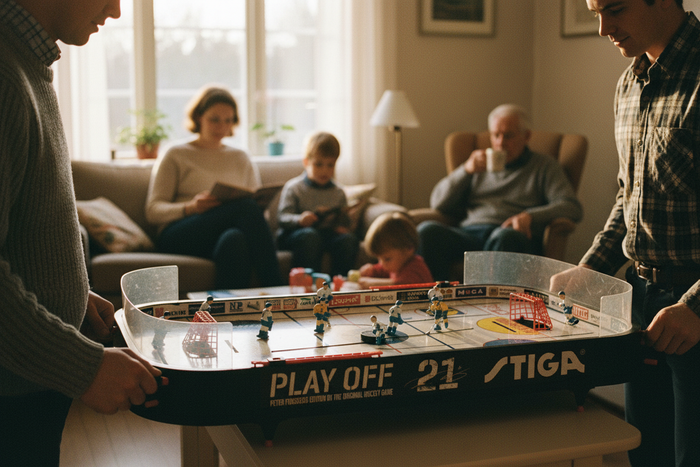
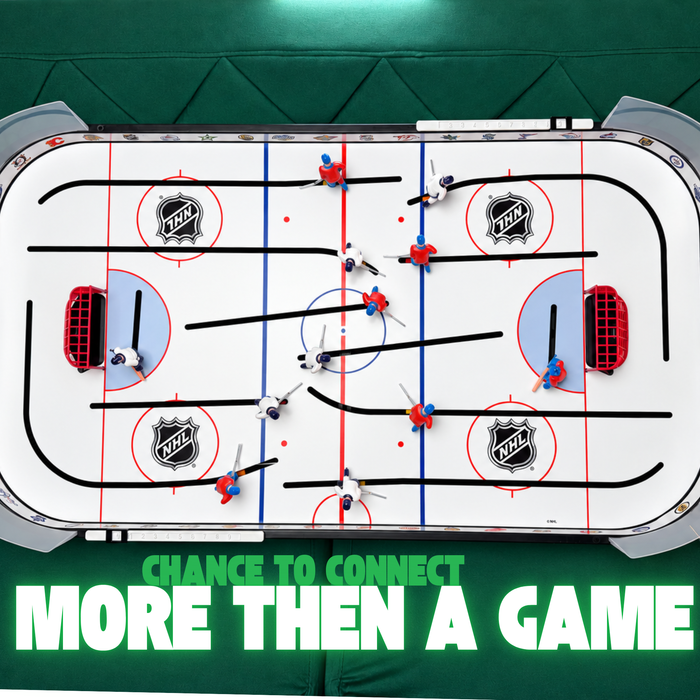
Come creare gruppi locali di hockey da tavolo: guida al divertimento in famiglia
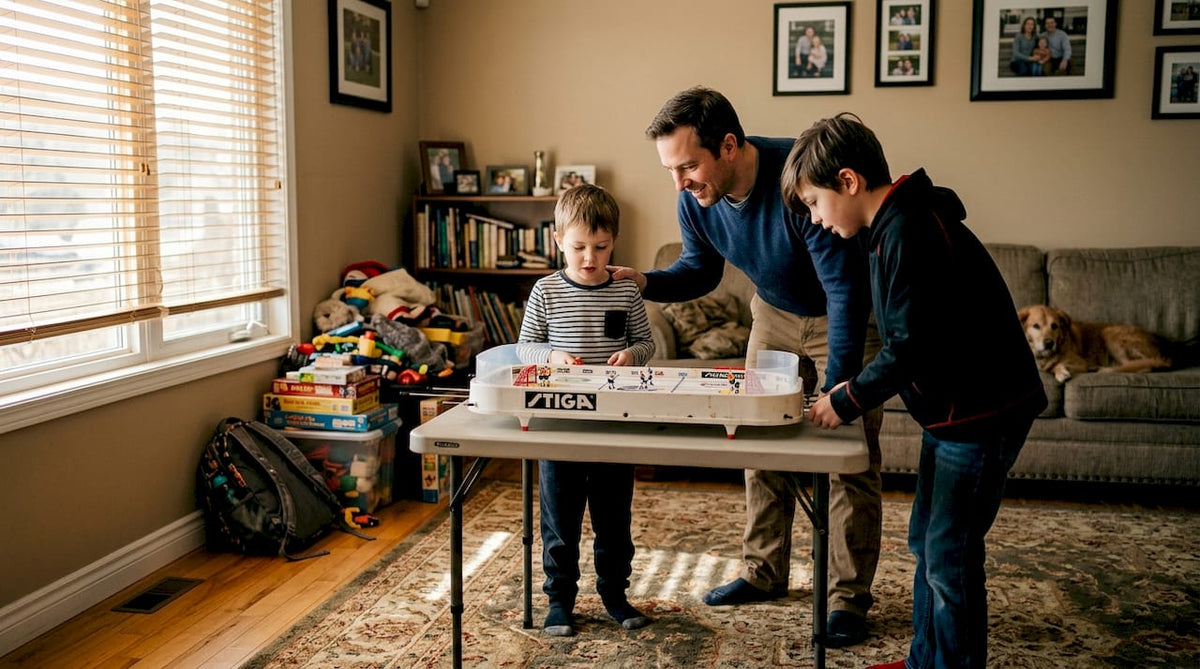
Trovare attività di gruppo attive e senza schermi per le famiglie è più difficile di quanto sembri. La maggior parte delle opzioni sono troppo competitive, troppo costose o semplicemente poco coinvolgenti per gruppi di età mista. L'hockey da tavolo colma questa lacuna. Gli eventi di hockey da tavolo in Europa sono in crescita, con format adatti alle famiglie supportati a livello nazionale e internazionale. Questa guida ti accompagna in ogni fase della creazione di un gruppo locale di hockey da tavolo, dal reperimento dell'attrezzatura all'organizzazione del tuo primo evento, fino a come fidelizzare le famiglie.
Indice
- Perché i gruppi di hockey da tavolo sono perfetti per le famiglie
- Cosa serve per avviare un gruppo locale
- Organizzare il primo evento e far crescere il gruppo
- Risoluzione dei problemi e mantenimento dell'attività
- Com'è fatto il successo: esempi e passi successivi
- Portare il tuo gruppo familiare di hockey da tavolo a un livello superiore
- Domande frequenti
Punti chiave
| Punto | Dettagli |
|---|---|
| Facile da avviare | Un gruppo locale di hockey da tavolo richiede solo un tavolo, una sede e alcune famiglie. |
| Vantaggi per le famiglie | L'hockey da tavolo stimola le abilità sociali, fisiche e di sviluppo sia per i bambini che per i genitori. |
| Tattiche di crescita semplici | Usa i social media e i gruppi di genitori per attirare famiglie e mantenere alto il coinvolgimento. |
| Inclusivo e flessibile | I gruppi possono iniziare in modo informale e crescere fino a diventare club più grandi o tornei con l'aumentare dell'interesse. |
Perché i gruppi di hockey da tavolo sono perfetti per le famiglie
L'hockey da tavolo è una delle poche attività che funziona altrettanto bene per un bambino di 7 anni e per un genitore di 45. Le regole sono semplici. L'allestimento è minimo. E il ritorno sociale è immediato.
L'hockey da tavolo sviluppa competenze sociali nei bambini, tra cui la coordinazione occhio-mano, l'alternanza nei turni e la sportività. Questi non sono effetti collaterali. Sono integrati in ogni partita. I bambini imparano a vincere e a perdere con eleganza, e i genitori possono dare l'esempio in tempo reale.
Ecco cosa rende l'hockey da tavolo una scelta vincente per i gruppi familiari:
- Non sono richiesti schermi
- Si può giocare al chiuso tutto l'anno
- Accessibile a tutti i livelli di abilità
- Incoraggia il team building con i bambini attraverso formati cooperativi e competitivi
- Basso livello di rumore rispetto alla maggior parte degli sport di gruppo
- Facile da mettere in pausa e riprendere tra un round e l'altro
L'hockey da tavolo crea un obiettivo condiviso. Genitori e figli siedono l'uno di fronte all'altro, non fianco a fianco a fissare uno schermo. Questo cambio di dinamica trasforma il modo in cui le famiglie interagiscono.
Il gioco è anche scalabile. Un singolo tavolo funziona per due giocatori. Due tavoli funzionano per un piccolo torneo. Il format si adatta alle dimensioni del tuo gruppo senza richiedere grandi cambiamenti al modo di giocare.
Ora che conosci il valore dell'hockey da tavolo per bambini e famiglie, vediamo cosa ti servirà per iniziare.
Cosa serve per avviare un gruppo locale
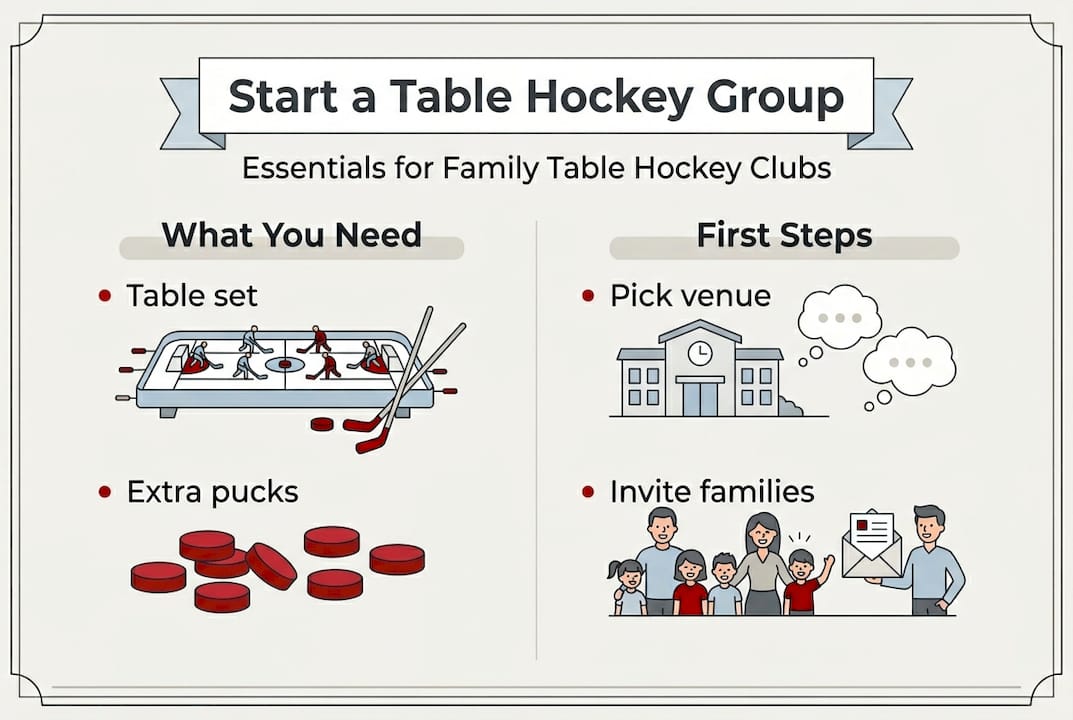
Avviare un gruppo di hockey da tavolo non richiede un budget elevato o una struttura dedicata. La maggior parte dei gruppi inizia con uno o due tavoli in un salotto o in un centro ricreativo.
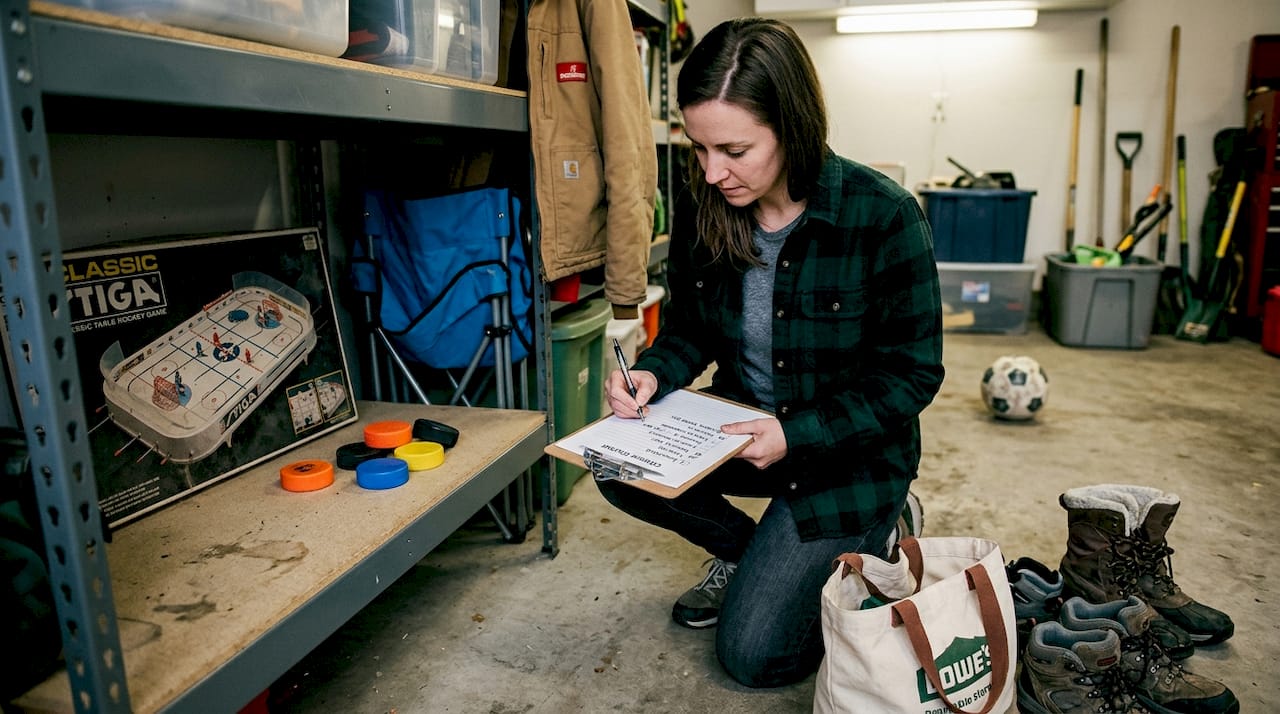
Il tavolo più utilizzato per il gioco di gruppo è quello del marchio Stiga. I tavoli Stiga seguono gli standard ITHF e sono costruiti per un uso prolungato, rendendoli un punto di partenza affidabile. Puoi anche esplorare opzioni di hockey da tavolo eco-sostenibili se la sostenibilità è una priorità per il tuo gruppo.
Ecco una lista di controllo di base di ciò che ti serve:
- Da 1 a 2 tavoli Stiga o equivalenti
- Dischi extra (si perdono facilmente)
- Fogli segnapunti o una semplice lavagna bianca
- Una sede: casa, sala scolastica o centro comunitario
- Regole base della casa stampate su un foglio
- Spazio per riporre i tavoli tra una sessione e l'altra
| Articolo | Costo stimato (USD) | Priorità |
|---|---|---|
| Tavolo Stiga (standard) | 90 - 170 | Essenziale |
| Dischi extra (confezione da 6) | 6 - 12 | Essenziale |
| Fogli segnapunti o lavagna | 0 - 20 | Consigliato |
| Affitto sede (per sessione) | 0 - 35 | Eventuale |
| Regole della casa stampate | 0 - 3 | Consigliato |
Consiglio: inizia con un tavolo e una sede prima di investire in altre attrezzature. Una volta che vedi una partecipazione costante, espanditi. Molti gruppi di successo operano per mesi con un solo tavolo.
Pianifica in base all'età fin dall'inizio. Se prevedi bambini sotto gli 8 anni, considera altezze del tavolo inferiori o dei rialzi. L'accessibilità è fondamentale per mantenere coinvolti tutti i membri della famiglia, non solo i bambini più grandi.
Con la tua lista pronta, è il momento di organizzare il tuo primo incontro e invitare le famiglie locali.
Organizzare il primo evento e far crescere il gruppo
Il tuo primo evento darà il tono a tutto ciò che seguirà. Mantienilo semplice, poco pressante e concentrato sul divertimento piuttosto che sulla competizione.
Segui questi passaggi per organizzare la tua prima sessione:
- Scegli una sede: una casa va benissimo per 4-8 persone
- Scegli data e ora adatte alle famiglie, solitamente mattine o primi pomeriggi del weekend
- Invita da 3 a 5 famiglie tramite WhatsApp, Facebook o un gruppo di genitori della scuola
- Prepara uno o due tavoli con regole chiare e semplici esposte nelle vicinanze
- Gestisci partite informali all'italiana (round-robin) in modo che tutti giochino più volte
- Raccogli feedback alla fine e chiedi chi vuole tornare
I social media e i gruppi di genitori sono i canali più efficaci per trovare nuovi membri. Un breve post con una foto del tavolo e una descrizione amichevole è solitamente sufficiente per generare interesse.
La comunità ITHF comprende 400 club e oltre 8.000 giocatori classificati in 50 o più paesi. Questa scala dimostra cosa è possibile quando gruppi informali si trasformano in club organizzati.
| Format | Ideale per | Dimensioni del gruppo |
|---|---|---|
| Incontro casalingo | Sessioni iniziali | 2 - 4 famiglie |
| Evento in centro comunitario | Gruppi consolidati | 5 - 12 famiglie |
| Serata scolastica o di club | Gioco settimanale regolare | 8 - 20 partecipanti |
Consiglio: crea un gruppo WhatsApp subito dopo il primo evento. Rende la comunicazione semplice e facilita notevolmente la pianificazione della sessione successiva.
Per idee su come espandere la portata del tuo gruppo o rimanere aggiornato sulle tendenze emergenti nell'hockey da tavolo, entrambe le risorse offrono indicazioni pratiche per far crescere i club.
Dopo che il gruppo è avviato, potresti incontrare alcune sfide comuni. Ecco come risolverle e mantenere il tuo club accogliente per tutti.
Risoluzione dei problemi e mantenimento dell'attività
La maggior parte dei gruppi di hockey da tavolo affronta gli stessi problemi: la partecipazione cala dopo le prime sessioni, uno o due giocatori dominano o la programmazione diventa difficile. Tutto questo è risolvibile.
Ecco i problemi più comuni e come gestirli:
- Calo di presenze: Ruotate chi ospita, così nessuna singola famiglia si farà carico dell'onere. La condivisione aumenta l'impegno.
- Squilibrio nelle abilità: Mescolate giocatori esperti e principianti nella stessa squadra. Questo mantiene le partite competitive senza scoraggiare i nuovi arrivati.
- Conflitti di programmazione: Stabilite una data ricorrente fissa invece di riprogrammare ogni volta. La coerenza crea un'abitudine.
- Conflitti tra giocatori: Esponete le regole in modo visibile. Aspettative chiare prevengono la maggior parte delle dispute.
- Esaurimento: Limitate le sessioni a 90 minuti. Eventi più brevi e focalizzati mantengono alta l'energia.
I club possono diventare troppo competitivi per le famiglie se il clima si allontana dal gioco amichevole. Mantenete l'enfasi sulla partecipazione, non sulle classifiche.
Connettersi con storie di successo di altri gruppi può fornirti idee pratiche e motivazione quando il tuo gruppo attraversa un periodo di stasi.
Consiglio: introduci un semplice trofeo rotante o un titolo divertente come "campione settimanale" per aggiungere una leggera competizione senza pressione. I bambini lo adorano e offre ai genitori un motivo per continuare a partecipare.
Comprendere questi suggerimenti assicura la crescita del tuo gruppo. Ora vediamo come appare un gruppo di hockey da tavolo locale di successo.
Com'è fatto il successo: esempi e passi successivi
Un gruppo di hockey da tavolo di successo non ha bisogno di una bacheca di trofei o di una struttura formale da campionato. I segnali sono molto più semplici.
Cerca questi indicatori che confermano che il tuo gruppo sta funzionando:
- I bambini chiedono quando sarà la prossima sessione prima ancora che finisca quella attuale
- I genitori iniziano a proporsi per ospitare o organizzare
- La partecipazione rimane costante per 4 o più sessioni
- Nuove famiglie si uniscono grazie al passaparola
- Giocatori di diversi livelli si divertono tutti
I gruppi ricreativi possono crescere fino a diventare club e, eventualmente, partecipare a eventi più ampi con lo sviluppo dell'interesse e delle abilità. Quel percorso è aperto a qualsiasi gruppo che inizi in modo informale e cresca con coerenza.
Una volta che il gruppo è stabile, considera questi passi successivi:
- Organizza un mini-torneo: Un evento di una giornata con tabelloni e un piccolo premio mantiene alto l'entusiasmo.
- Invita un giocatore ospite: Qualcuno con più esperienza può tenere una breve sessione tecnica per i bambini.
- Ospita un evento di beneficenza: Combina l'hockey da tavolo con una raccolta fondi per aumentare la visibilità del gruppo nella comunità.
- Connettiti con le federazioni nazionali: Molti paesi europei hanno federazioni che supportano i club locali con risorse ed elenchi di eventi.
| Fase | Caratteristiche | Azione da intraprendere |
|---|---|---|
| Avvio | 1-2 famiglie, 1 tavolo | Punta al divertimento, tieni le regole semplici |
| Crescita | 4-6 famiglie, date regolari | Aggiungi un secondo tavolo, crea una chat di gruppo |
| Consolidamento | 8 o più famiglie, gioco costante | Valuta tornei, connettiti con le federazioni |
| Avanzato | Interesse competitivo emergente | Esplora consigli di gioco avanzati ed eventi formali |
Per supportare il tuo percorso nel costruire il club, scopri ulteriori risorse e connettiti con la comunità più ampia qui sotto.
Portare il tuo gruppo familiare di hockey da tavolo a un livello superiore
Table Hockey Global è la più grande comunità al mondo per giocatori di hockey da tavolo, dai principianti assoluti ai competitor esperti. Che tu stia appena preparando il tuo primo tavolo o cercando di connetterti con altri gruppi locali in Europa, la piattaforma ha gli strumenti e la comunità per supportarti.
Esplora le risorse di Table Hockey Global per guide, idee per eventi e forum comunitari che aiutano i nuovi gruppi a organizzarsi velocemente. Troverai anche guide dettagliate sull'hockey da tavolo in Europa che coprono la scena regionale, i club attivi e come inserirsi nelle reti esistenti. Se stai creando un gruppo da zero o cercando di farne crescere uno esistente, queste risorse ti offrono un punto di partenza chiaro e pratico.
Domande frequenti
Come trovo famiglie interessate all'hockey da tavolo vicino a me?
I gruppi di genitori e i social media sono i punti di partenza più efficaci. Pubblica nei gruppi Facebook locali, nelle bacheche scolastiche e nelle chat WhatsApp dei genitori per raggiungere le famiglie rapidamente.
È costoso avviare un gruppo locale di hockey da tavolo?
I costi iniziali sono bassi. Un tavolo Stiga di base e una sede gratuita sono sufficienti per iniziare. Dividere le spese tra alcune famiglie rende il tutto ancora più accessibile.
I gruppi di hockey da tavolo sono sicuri e adatti ai bambini piccoli?
Sì. L'hockey da tavolo è adatto ai bambini e supervisionato, con regole semplici che funzionano per bambini e adulti che giocano insieme nella stessa sessione.
Un gruppo familiare informale può partecipare ai tornei ufficiali di hockey da tavolo?
Molte federazioni nazionali accolgono i nuovi club e offrono eventi per principianti. I gruppi informali possono partecipare o ospitare tornei locali man mano che le loro abilità e il loro interesse crescono nel tempo.
Cosa succede se il mio gruppo non ha abbastanza spazio per un club completo?
Ruotate tra le case degli ospiti, usate tavoli pieghevoli o prenotate una sala in un centro comunitario. Opzioni di sede flessibili rendono facile organizzare sessioni senza uno spazio permanente dedicato.
Consigliati
- Team building con l'hockey da tavolo: connettiti con i tuoi figli – Table Hockey Global
- Hockey da tavolo vs air hockey: il miglior gioco in famiglia per il 2026 – Table Hockey Global
- Guida alle statistiche dell'hockey da tavolo: giocatori e fan 2026 – Table Hockey Global
- Perché l'hockey da tavolo cambia le regole del gioco per lo sviluppo infantile: supportato dalla ricerca – Table Hockey Global

Ti piacciono i nostri articoli? Aggiungi Table Hockey Global alle tue fonti preferite e Google te ne mostrerà di più.