Come impugnare le aste del tavolo da hockey per un controllo ottimale 2026

Controllare le aste del tuo hockey da tavolo in modo efficace può fare la differenza tra un tiro vincente e un frustrante errore. Molti giocatori faticano a trovare il giusto equilibrio tra una presa ferma e la flessibilità necessaria per movimenti rapidi e precisi. Che tu sia agli inizi o che tu stia cercando di affinare la tua tecnica per il gioco competitivo, padroneggiare la presa dell'asta è essenziale per migliorare il tempo di reazione, ridurre l'affaticamento della mano ed eseguire strategie avanzate con sicurezza. Questa guida ti accompagnerà attraverso gli strumenti, le tecniche e i consigli per la risoluzione dei problemi di cui hai bisogno per portare la tua presa e il tuo stile di gioco complessivo al livello successivo.
Indice
- Cosa ti serve: strumenti, attrezzatura e preparazione
- Istruzioni passo-passo per impugnare le aste dell'hockey da tavolo in modo efficace
- Errori comuni e risoluzione dei problemi relativi alla presa dell'asta
- Risultati attesi e padronanza della presa per il gioco a livello di torneo
- Scopri altri consigli e attrezzature per l'hockey da tavolo su Table Hockey Global
- FAQ
Punti chiave
| Punto | Dettagli |
|---|---|
| Presa ferma ma rilassata | Previene l'affaticamento della mano mantenendo un movimento rapido e il controllo dell'asta |
| Gli accessori per la presa migliorano la tenuta | Le strisce di gomma e le impugnature aftermarket migliorano il comfort e il controllo dell'asta |
| La tecnica varia in base al tipo di asta | Le aste del portiere richiedono destrezza del polso, mentre le aste dei giocatori beneficiano di combinazioni di dita |
| La pratica costruisce la memoria muscolare | Esercizi regolari di presa e allenamenti per la mobilità del polso migliorano le prestazioni a lungo termine |
Cosa ti serve: strumenti, attrezzatura e preparazione
Prima di poter padroneggiare la presa dell'asta, devi comprendere gli strumenti e l'attrezzatura essenziali che ti prepareranno al successo. Le fondamenta partono dalle aste dell'hockey da tavolo, ma diversi accessori possono migliorare significativamente la qualità della presa e il comfort durante le sessioni di gioco prolungate. Le impugnature delle aste possono essere mantenute o sostituite con strisce di gomma o impugnature aftermarket per una migliore tenuta, offrendoti un maggiore controllo su come le aste si percepiscono nelle mani.
I guanti sono opzionali ma possono offrire maggiore comfort e prevenire le vesciche durante intense sessioni di pratica o tornei. Alcuni giocatori preferiscono il contatto diretto delle mani nude sulle aste, mentre altri trovano che dei guanti sportivi sottili offrano una presa migliore senza sacrificare la sensibilità. La scelta dipende interamente dalle tue preferenze personali e dal tuo stile di gioco.
Gli accessori per la presa sono diventati sempre più popolari tra i giocatori esperti. Le strisce di gomma, sottili strisce avvolte attorno alle maniglie delle aste, offrono un'eccellente valorizzazione della presa senza aggiungere ingombro. Le impugnature aftermarket sono disponibili in vari materiali e consistenze, consentendoti di personalizzare la sensazione in base alle dimensioni della tua mano e allo stile di presa. Questi accessori sono particolarmente utili se le impugnature originali del tuo tavolo si sono usurate nel tempo o se vuoi sperimentare diverse sensazioni di presa per trovare quella che funziona meglio per te.
| Elemento | Scopo | Vantaggio | | — | — | | Aste hockey da tavolo | Attrezzatura base per il gioco | Essenziale per tutte le tecniche di gioco | | Guanti (opzionali) | Protezione e comfort della mano | Riduce le vesciche durante le sessioni lunghe | | Strisce di gomma | Texture di presa migliorata | Migliora la tenuta dell'asta senza ingombro | | Impugnature aftermarket | Sensazione di presa personalizzata | Permette la personalizzazione in base alla dimensione della mano | | Materiali per la pulizia | Manutenzione dell'asta | Mantiene prestazioni di presa costanti |
Suggerimento professionale: Pulisci regolarmente le impugnature delle tue aste con un panno umido per rimuovere oli e sporco che si accumulano dalle mani. Questa semplice routine di manutenzione mantiene le impugnature aderenti e reattive, garantendo prestazioni costanti ogni volta che giochi. Sostituire le impugnature usurate prima che diventino troppo lisce ti aiuterà a mantenere le tecniche di equilibrio per l'hockey da tavolo che separano i bravi giocatori da quelli eccellenti.
Istruzioni passo-passo per impugnare le aste dell'hockey da tavolo in modo efficace
Padroneggiare la corretta tecnica di presa richiede di capire come le tue mani, dita e polsi lavorano insieme per controllare il movimento dell'asta. Una presa ferma sulle aste è fondamentale per manovrare i giocatori in modo efficace nell'hockey da tavolo, ma la tecnica specifica che userai dipenderà dal tuo livello di abilità e dal tipo di aste che stai controllando. Analizziamo il processo in passaggi chiari e azionabili che trasformeranno la tua presa da incerta a sicura.
-
Posiziona le mani sulle aste con una spaziatura naturale e confortevole che consenta alle tue braccia di muoversi liberamente senza sforzare spalle o gomiti.
-
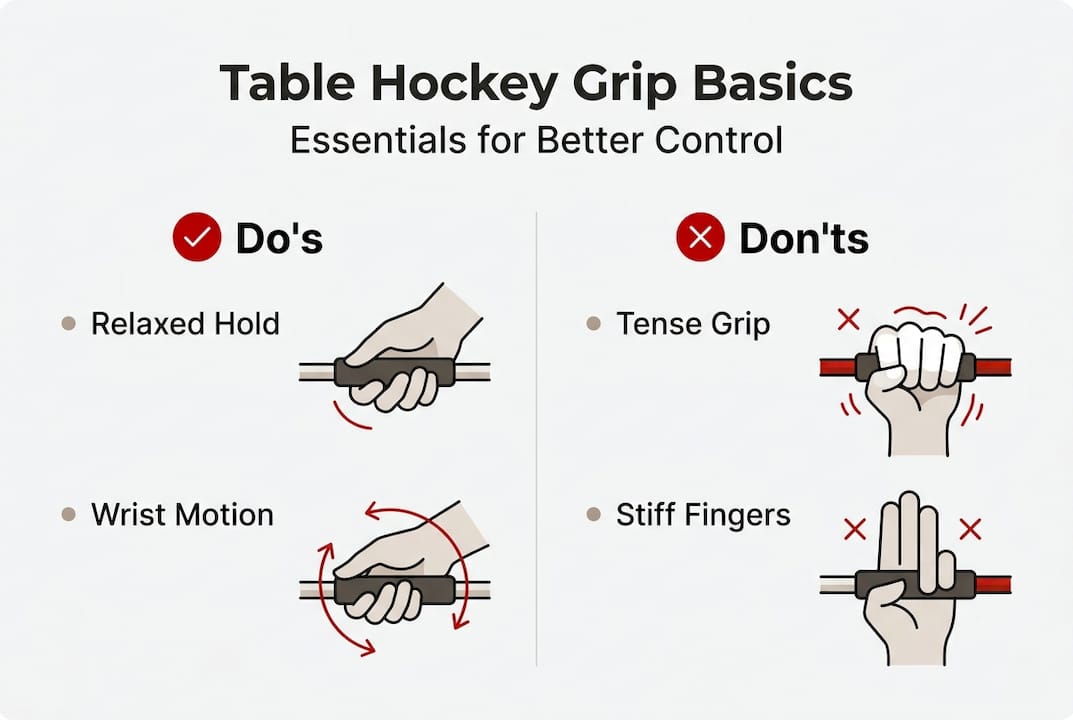
Posiziona il pollice sopra la maniglia dell'asta mentre posizioni l'indice e il medio sotto, creando una combinazione di tre dita che i professionisti prediligono per il massimo controllo e velocità.
-
Applica una pressione che sia abbastanza ferma da mantenere il controllo ma abbastanza rilassata affinché le tue dita possano muoversi rapidamente e i polsi ruotare dolcemente senza tensione.
-
Regola l'angolazione della tua presa in base al fatto che tu stia controllando aste dei giocatori o del portiere, inclinando leggermente i polsi in avanti per le aste dei giocatori per facilitare rapidi movimenti avanti e indietro.
-
Per le aste del portiere che ruotano di 360 gradi, passa a una presa che dia priorità alla mobilità del polso rispetto alla forza delle dita, consentendo al polso di ruotare l'asta fluidamente per parate e disimpegni.
-
Esercitati a muovere le aste in brevi scatti controllati invece che in lunghi movimenti ampi, il che ti aiuta a sviluppare la memoria muscolare necessaria per un posizionamento preciso dei giocatori durante il gioco effettivo.
-
Incorpora esercizi di rotazione del polso nella tua routine di pratica, muovendo le aste in schemi circolari per sviluppare la destrezza richiesta per tecniche avanzate e rapide reazioni difensive.
La differenza fondamentale tra le prese per principianti e quelle avanzate risiede nel modo in cui distribuisci il controllo tra dita e polsi. I principianti spesso si affidano troppo alla sola forza delle dita o al solo movimento del polso, mentre i giocatori esperti combinano entrambi perfettamente. Alcuni giocatori usano solo due dita e cercano di far rotolare l'asta tra di esse, ma questa tecnica limita la velocità e la precisione rispetto all'approccio a tre dita che offre più punti di leva per il controllo.
Suggerimento professionale: Dedica cinque minuti prima di ogni partita a praticare movimenti dell'asta lenti e deliberati con la tua presa ottimale. Questo riscaldamento aiuta le tue mani a ricordare la pressione e il posizionamento corretti, riducendo la probabilità di ricadere in cattive abitudini quando il gioco si intensifica. Le tecniche di presa avanzate per l'hockey da tavolo che svilupperai attraverso una pratica costante diventeranno una seconda natura, permettendoti di concentrarti sulla strategia piuttosto che sulla meccanica durante il gioco competitivo.
Errori comuni e risoluzione dei problemi relativi alla presa dell'asta
Anche i giocatori esperti cadono in abitudini di presa che minano il loro controllo e portano a prestazioni incoerenti. Riconoscere questi errori comuni è il primo passo per correggerli e sviluppare una presa che ti serva bene in ogni situazione di gioco. L'errore più frequente è stringere troppo, il che causa affaticamento della mano e riduce la tua capacità di compiere movimenti rapidi e fluidi. Al contrario, una presa troppo allentata porta a un controllo impreciso e a reazioni ritardate quando devi muovere i giocatori rapidamente.
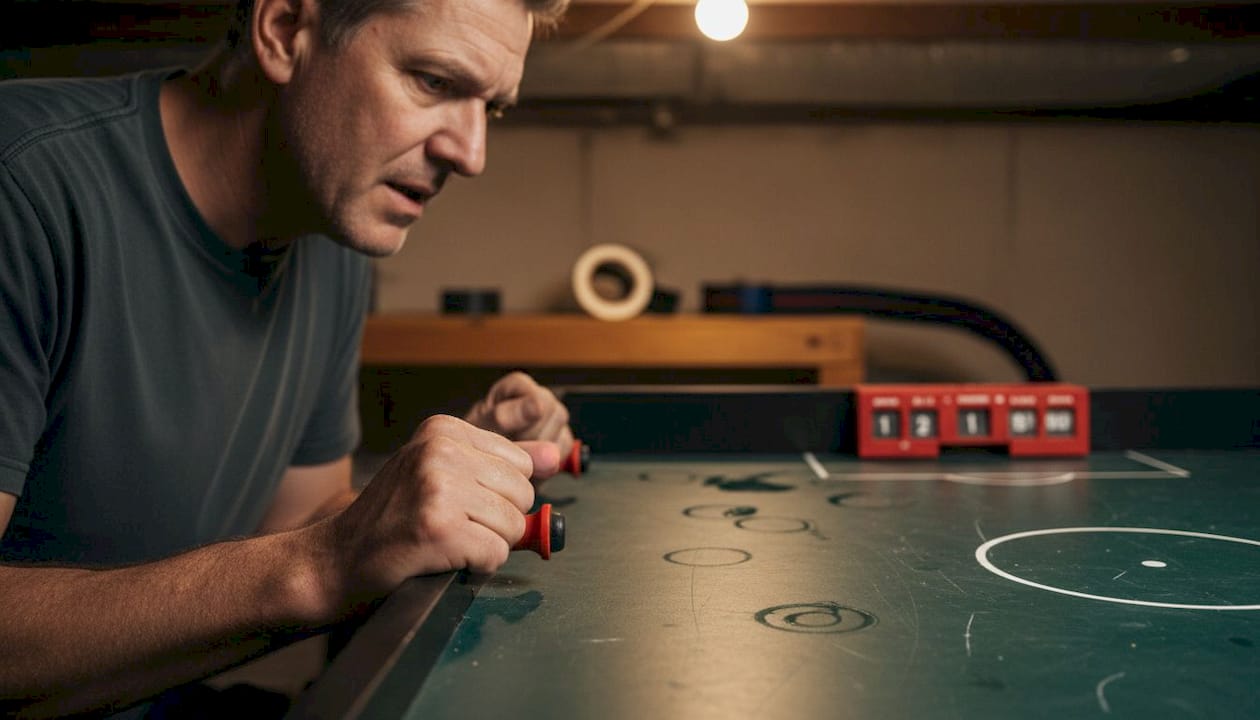
Un altro errore diffuso consiste nell'usare solo il movimento del polso o solo il movimento delle dita invece di combinare entrambi per un controllo ottimale. I giocatori che si affidano esclusivamente al movimento del polso possono generare una buona portata ma sacrificano la velocità, mentre quelli che usano solo la manipolazione delle dita guadagnano velocità ma perdono la potenza necessaria per movimenti più lunghi. La soluzione risiede nell'integrare entrambe le tecniche, consentendo alle dita di fornire rapidi aggiustamenti mentre i polsi gestiscono i cambiamenti di posizione più ampi.
| Cattiva abitudine di presa | Impatto sul controllo | Approccio corretto | | — | — | | Stringere troppo | Affaticamento della mano e movimenti rigidi | Pressione ferma ma rilassata | | Presa troppo allentata | Controllo impreciso e reazioni ritardate | Forza di presa moderata e costante | | Uso di sole due dita | Leva limitata e risposta più lenta | Combinazione a tre dita per l'equilibrio | | Ignorare la rotazione del polso | Gamma di movimento limitata | Combina i movimenti di polso e dita | | Pressione di presa incoerente | Comportamento imprevedibile dell'asta | Mantieni una pressione costante durante il gioco |
Risolvere i problemi di presa richiede un'onesta autovalutazione e la volontà di sperimentare con piccoli aggiustamenti. Ecco soluzioni pratiche ai problemi di presa più comuni:
- Se le tue mani si stancano rapidamente, riduci la pressione della presa del 20% e concentrati sul mantenere quel tocco più leggero durante la sessione di pratica.
- Quando noti reazioni ritardate, controlla se stai tenendo le aste troppo lontano dal corpo, il che aumenta la distanza che le tue mani devono percorrere.
- Per un posizionamento impreciso dei giocatori, verifica che la tua presa a tre dita stia distribuendo la pressione uniformemente invece di favorire la dominanza del pollice o delle dita.
- Se la rotazione del polso sembra scomoda, esercitati in movimenti circolari dell'asta senza il disco per costruire la memoria muscolare in un ambiente a bassa pressione.
- Quando gli accessori per la presa sembrano scomodi, sperimenta materiali e spessori diversi finché non trovi opzioni che migliorano, piuttosto che ostacolare, la tua presa naturale.
I consigli pratici delle community di giocatori danno la priorità al comfort e al controllo rispetto alle tecniche rigide, riconoscendo che l'anatomia della mano individuale e lo stile di gioco creano variazioni naturali nella presa ottimale.
Il principio più importante nella risoluzione dei problemi di presa è adattare la tecnica al tuo comfort personale e al tipo specifico di asta che stai usando. Le aste standard da torneo Stiga si sentono diversamente dalle aste dei tavoli ricreativi, e le aste del portiere richiedono meccaniche di presa diverse rispetto a quelle dei giocatori. Presta attenzione a come si sentono le tue mani durante e dopo le sessioni di gioco, effettuando aggiustamenti incrementali piuttosto che cambiamenti drastici che potrebbero disturbare la tua memoria muscolare esistente. Monitorare i tuoi progressi nel miglioramento del controllo dell'asta ti aiuta a identificare quali aggiustamenti migliorano effettivamente le tue prestazioni rispetto a quelli che sembrano semplicemente diversi senza fornire vantaggi reali.
Risultati attesi e padronanza della presa per il gioco a livello di torneo
Quando ti impegni a padroneggiare le corrette tecniche di presa dell'asta, i miglioramenti nel tuo stile di gioco diventano evidenti dopo poche sessioni di pratica. Un controllo del giocatore migliorato si manifesta con passaggi più accurati, un migliore posizionamento difensivo e la capacità di eseguire complesse giocate offensive che richiedono un tempismo preciso. I tuoi tempi di reazione migliorano significativamente perché le tue mani non hanno più bisogno di regolare la presa a metà gioco, permettendoti di rispondere istantaneamente alle mosse del tuo avversario.
Nei contesti di torneo, dove ogni vantaggio conta, la padronanza della presa diventa ancora più critica. L'hockey da tavolo da torneo enfatizza il controllo tramite aste con ingranaggi elicoidali, ma le meccaniche di presa specifiche non sono dettagliate nelle regole, dandoti la libertà di sviluppare tecniche che funzionano meglio per il tuo stile di gioco. La precisione che ottieni dalla corretta tecnica di presa si traduce direttamente in un posizionamento del tiro più coerente e una migliore copertura difensiva, entrambi essenziali per il successo competitivo.
I benefici specifici che puoi aspettarti dalla padronanza della presa nel gioco da torneo includono:
- Migliore resistenza durante tornei multi-partita, poiché una tecnica di presa efficiente riduce lo sforzo muscolare non necessario e ti permette di mantenere le prestazioni di picco più a lungo.
- Maggiore precisione di tiro sia da posizioni offensive che difensive, poiché il controllo stabile della presa elimina i micro-aggiustamenti che sballano il tempismo.
- Transizione più veloce tra il gioco difensivo e quello offensivo, poiché una presa sicura ti consente di riposizionare i giocatori senza pensieri consci sul posizionamento delle mani.
- Maggiore capacità di leggere e contrastare le strategie dell'avversario, perché la tua concentrazione mentale passa dalla meccanica alla tattica quando la presa diventa automatica.
- Migliore adattamento a diversi tipi di tavoli e configurazioni delle aste, poiché i solidi fondamentali della presa si trasferiscono tra le variazioni di attrezzatura.
Mantenere la padronanza della presa richiede una pratica continua anche dopo aver raggiunto i tuoi obiettivi iniziali. Dedica i primi dieci minuti di ogni sessione di pratica a esercizi specifici per la presa, concentrandoti sul movimento fluido dell'asta senza la distrazione del gioco competitivo. Incorpora esercizi per polsi e pollici nella tua routine di fitness per costruire la forza e la mobilità che supportano le tecniche di presa avanzate. L'importanza della presa nell'hockey da tavolo Stiga non può essere sopravvalutata per i giocatori che mirano a competere a livelli più alti, dove la standardizzazione dell'attrezzatura rende la tecnica di presa una delle poche aree in cui puoi ottenere un vantaggio personalizzato.
Integrare le abilità di presa con la tua strategia complessiva eleva il tuo gioco oltre la competenza meccanica verso l'eccellenza strategica. Quando la tua presa è automatica e affidabile, puoi concentrarti interamente sul leggere il tuo avversario, anticipare le giocate ed eseguire le decisioni tattiche che vincono le partite combattute. Questa libertà mentale è ciò che separa i campioni dei tornei dai giocatori abili che non riescono mai a sfondare ai massimi livelli di competizione.
Scopri altri consigli e attrezzature per l'hockey da tavolo su Table Hockey Global
Ora che comprendi i fondamenti per impugnare le aste dell'hockey da tavolo in modo efficace, sei pronto a esplorare il mondo più ampio delle strategie e delle attrezzature per l'hockey da tavolo che completeranno la tua tecnica di presa migliorata. Table Hockey Global funge da più grande community al mondo dove giocatori di tutti i livelli di abilità si connettono, imparano e competono, offrendo risorse che si estendono ben oltre le meccaniche di presa verso un miglioramento completo del gioco.
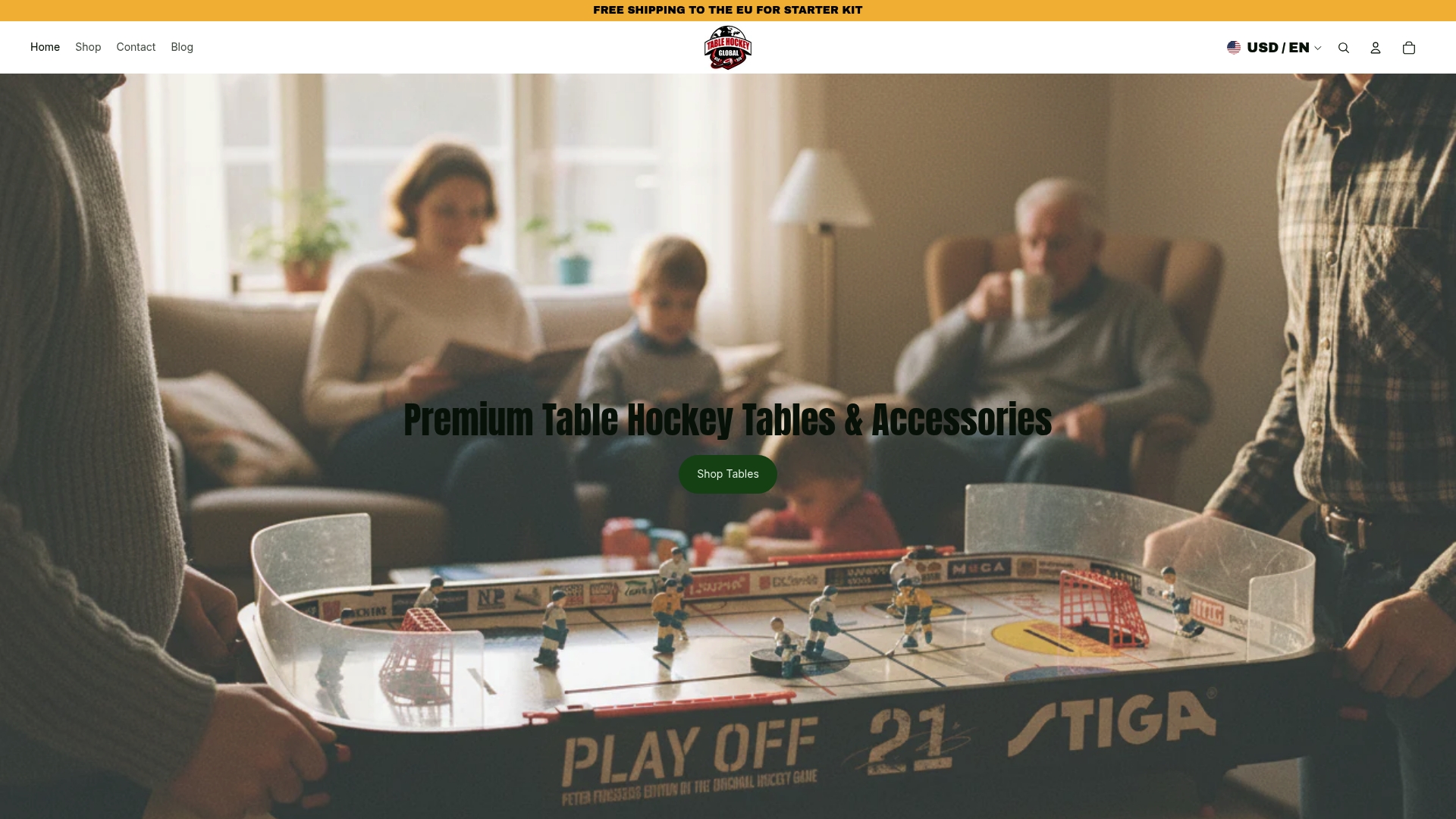
I consigli sull'equilibrio magistrale disponibili sul sito si abbinano perfettamente alle tue nuove abilità di presa, insegnandoti come coordinare il posizionamento delle mani con l'equilibrio del corpo per tiri più veloci e potenti. Quando combini una presa corretta con tecniche di equilibrio avanzate, crei le basi per le strategie di abilità avanzate che definiscono il gioco di livello elite. Che tu stia cercando raccomandazioni sull'attrezzatura, esercizi di allenamento o contatti con altri giocatori nella tua zona, Table Hockey Global fornisce gli strumenti e il supporto della community di cui hai bisogno per continuare il tuo viaggio nell'hockey da tavolo dai fondamentali per principianti fino alla competizione a livello di torneo.
FAQ
Quanto forte dovrei stringere le aste dell'hockey da tavolo per il miglior controllo?
Impugna le aste con fermezza sufficiente a mantenere un controllo costante ma abbastanza rilassata affinché le tue dita possano muoversi rapidamente senza tensione. Una presa troppo stretta causa rigidità e affaticamento della mano che rallenta le tue reazioni, mentre una troppo allentata porta a un posizionamento impreciso dei giocatori e risposte ritardate. La pressione di presa ideale ti permette di sentirti connesso alle aste senza stringere, in modo simile a come si tiene una racchetta da tennis o un bastone da golf, dove il controllo deriva dalla tecnica piuttosto che dalla forza.
Posso usare accessori per la presa sulle aste standard da torneo?
Gli accessori per la presa come le strisce di gomma possono migliorare significativamente la tua tenuta e il comfort, ma dovresti verificare le specifiche regolamentazioni del torneo prima della competizione. Molti giocatori personalizzano le loro impugnature anche in contesti ufficiali perché la maggior parte dei tornei si concentra sulle specifiche del tavolo piuttosto che sulle modifiche all'impugnatura. Controlla le informazioni sul tavolo da hockey Stiga per gli standard attuali del torneo ed esercitati con gli accessori per la presa scelti ben prima del giorno della competizione per assicurarti che migliorino, anziché disturbare, le tue prestazioni.
Quali tecniche di presa aiutano con le aste del portiere che ruotano completamente?
Usa una presa confortevole che dia priorità alla rotazione del polso rispetto alla forza delle dita, consentendo al polso di muovere l'asta attraverso la sua intera gamma di 360 gradi in modo fluido. Posiziona le dita liberamente attorno alla maniglia dell'asta invece di stringere forte, il che limita il movimento rotatorio necessario per parate rapide. Esercitati con esercizi di agilità del polso lontano dal tavolo per migliorare la destrezza, costruendo il controllo muscolare che si traduce direttamente in una migliore manipolazione dell'asta del portiere durante il gioco effettivo.
Come posso evitare l'affaticamento della mano durante le lunghe partite di hockey da tavolo?
Mantieni una presa salda ma rilassata durante il gioco, sciogliendo consapevolmente ogni tensione superflua nelle dita e nei polsi tra le azioni attive. Fai brevi pause tra le partite per eseguire semplici esercizi di stretching per le mani, aprendo e chiudendo lentamente i pugni e ruotando i polsi in cerchio per favorire la circolazione sanguigna. Le tecniche di equilibrio per ridurre l'affaticamento aiutano anche a distribuire lo sforzo fisico su tutto il corpo anziché concentrare la tensione nelle mani e negli avambracci, permettendoti di mantenere prestazioni ottimali durante lunghe sessioni di torneo.
Consigliati
- Padroneggia il gioco avanzato di hockey da tavolo: abilità e strategie 2026 – Table Hockey Global
- Padroneggia l'equilibrio nell'hockey da tavolo: tiri più veloci del 10% – Table Hockey Global
- Monitora i progressi nell'hockey da tavolo e migliora il tuo gioco nel 2026 – Table Hockey Global
- Guida alle statistiche dell'hockey da tavolo: giocatori e fan 2026 – Table Hockey Global

Ti piacciono i nostri articoli? Aggiungi Table Hockey Global alle tue fonti preferite e Google te ne mostrerà di più.