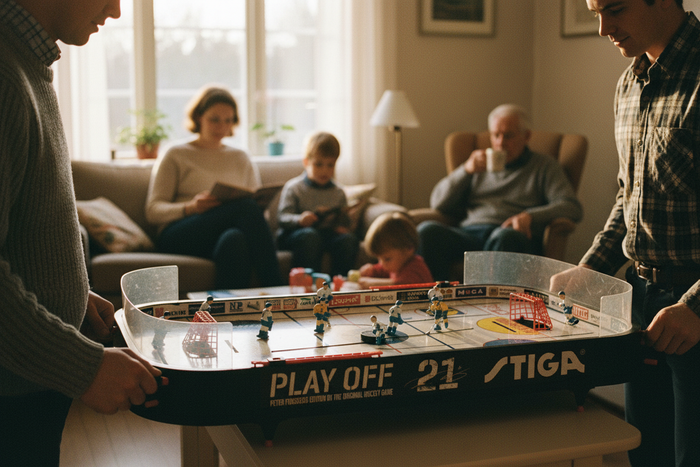
Spiegazione delle posizioni nell'hockey da tavolo: 6 ruoli, consigli da professionisti
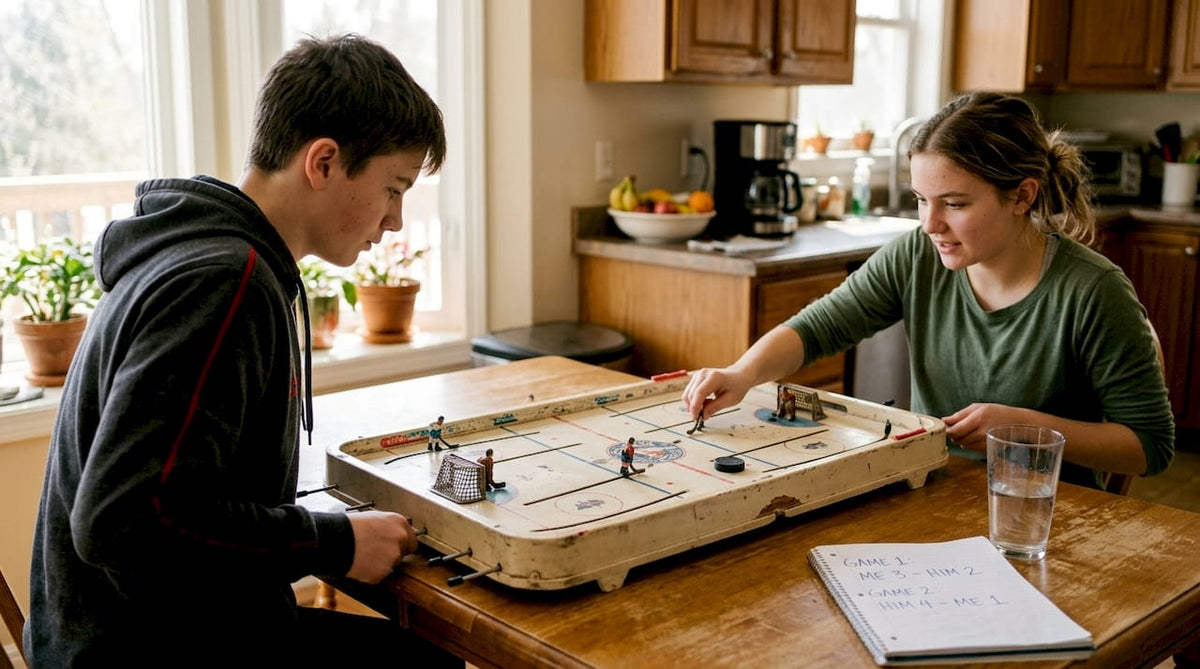
TL;DR:
- L'hockey da tavolo utilizza cinque aste per lato, ognuna delle quali controlla posizioni specifiche dei giocatori.
- Le posizioni chiave includono portiere, difensori, centro e ali, ognuna con responsabilità ben distinte.
- Padroneggiare le transizioni tra le posizioni e il controllo delle aste migliora il gioco strategico e la competitività.
Sapere quale asta controlla quale giocatore è la differenza tra reagire e giocare con intenzione. L'hockey da tavolo utilizza 5 aste per lato, ognuna collegata a posizioni specifiche sul ghiaccio. In totale ci sono sei ruoli: portiere, difensore sinistro, difensore destro, centro, ala sinistra e ala destra. Ognuno ha un compito. Ognuno richiede un diverso set di abilità. Questo articolo associa ogni posizione alla sua asta, analizza le responsabilità, confronta i punti di forza e fornisce consigli pratici per ogni livello di gioco, dai principianti assoluti a chi gareggia nei campionati organizzati.
Indice
- Comprendere tutte le posizioni di gioco nell'hockey da tavolo
- Il ruolo del portiere e dei difensori
- Centro e ali: controllare l'attacco
- Confronto tra le posizioni: punti di forza, lavoro di squadra e gioco strategico
- Perché padroneggiare le transizioni di posizione trasforma le tue abilità nell'hockey da tavolo
- Migliora le tue abilità nell'hockey da tavolo con risorse esperte
- Domande frequenti
Punti chiave
| Punto | Dettagli |
|---|---|
| Sei posizioni chiave | Padroneggiare tutte e sei le posizioni e comprendere il controllo delle aste è la base per il successo nell'hockey da tavolo. |
| La difesa vince le partite | L'uso efficace delle aste del portiere e dei difensori è essenziale per bloccare i tiri e prevenire i gol. |
| Padronanza degli ingaggi | Un forte coordinamento tra centro e ali aumenta i risultati durante gli ingaggi. |
| Transizioni strategiche | Imparare a passare rapidamente dalla difesa all'attacco è una competenza fondamentale per tutti i giocatori. |
| Il lavoro di squadra porta alla vittoria | Il gioco di squadra e la sinergia tra le posizioni sono cruciali per vincere le partite e scalare le classifiche. |
Comprendere tutte le posizioni di gioco nell'hockey da tavolo
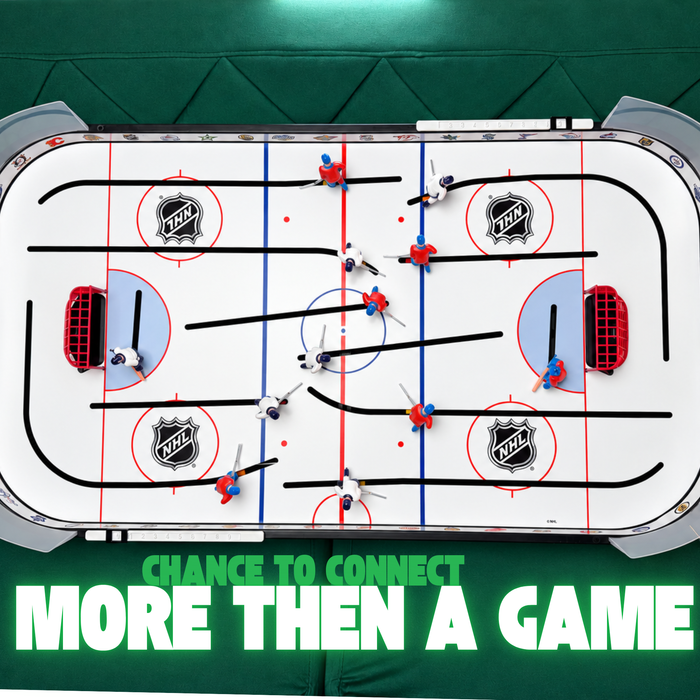
L'hockey da tavolo, regolato dalle norme ITHF, utilizza 5 aste per lato che controllano posizioni specifiche dei giocatori. Ogni asta scorre e ruota per muovere i tuoi giocatori. Capire quale asta fa cosa è il primo passo verso un gioco con un vero controllo.
Ecco una rapida analisi delle cinque aste e delle posizioni che controllano:
| Asta | Posizione/i controllata/e | Funzione principale |
|---|---|---|
| Asta 1 (la più vicina alla tua rete) | Portiere | Blocco dei tiri, copertura della porta |
| Asta 2 | Difensore sinistro e destro | Disimpegno, blocco, transizioni |
| Asta 3 | Centro | Ingaggi, controllo del centrocampo |
| Asta 4 | Ala sinistra e destra | Pressione offensiva, tiro |
| Asta 5 | Attaccanti secondari | Supporto offensivo aggiuntivo |
Ogni giocatore dal tuo lato del tavolo è collegato a una di queste aste. Non puoi muovere un giocatore indipendentemente dalla sua asta. Questo vincolo è ciò che rende così importante la consapevolezza della posizione.
Ecco di cosa è responsabile ogni posizione:
- Portiere: Ferma i tiri. Posizionato davanti alla tua rete. Controllato dall'Asta 1.
- Difensore sinistro: Copre il lato sinistro della tua zona difensiva. Blocca passaggi e tiri provenienti dal lato destro dell'attacco avversario.
- Difensore destro: Rispecchia il difensore sinistro sul lato opposto.
- Centro: Controlla il centro del ghiaccio. Partecipa agli ingaggi. Collega difesa e attacco.
- Ala sinistra: Attacca dal lato sinistro. Crea angoli di tiro.
- Ala destra: Attacca dal lato destro. Esercita pressione vicino alla porta avversaria.
Per i principianti, comprendere i ruoli della squadra spiegati in dettaglio aiuta a collegare queste posizioni astratte alle decisioni reali durante la partita. Una volta appreso il layout, concentrati sulla presa delle aste per un controllo ottimale, in modo che la tua tecnica fisica corrisponda alla tua conoscenza delle posizioni.
Inizia in modo semplice. Impara un'asta alla volta. La maggior parte dei principianti migliora più rapidamente padroneggiando le aste del portiere e del centro prima di passare alle ali.
Il ruolo del portiere e dei difensori
La difesa è dove si vincono e si perdono le partite. Controllare le aste della difesa per bloccare i tiri e usare il portiere per le parate è la base di un solido gioco di hockey da tavolo.
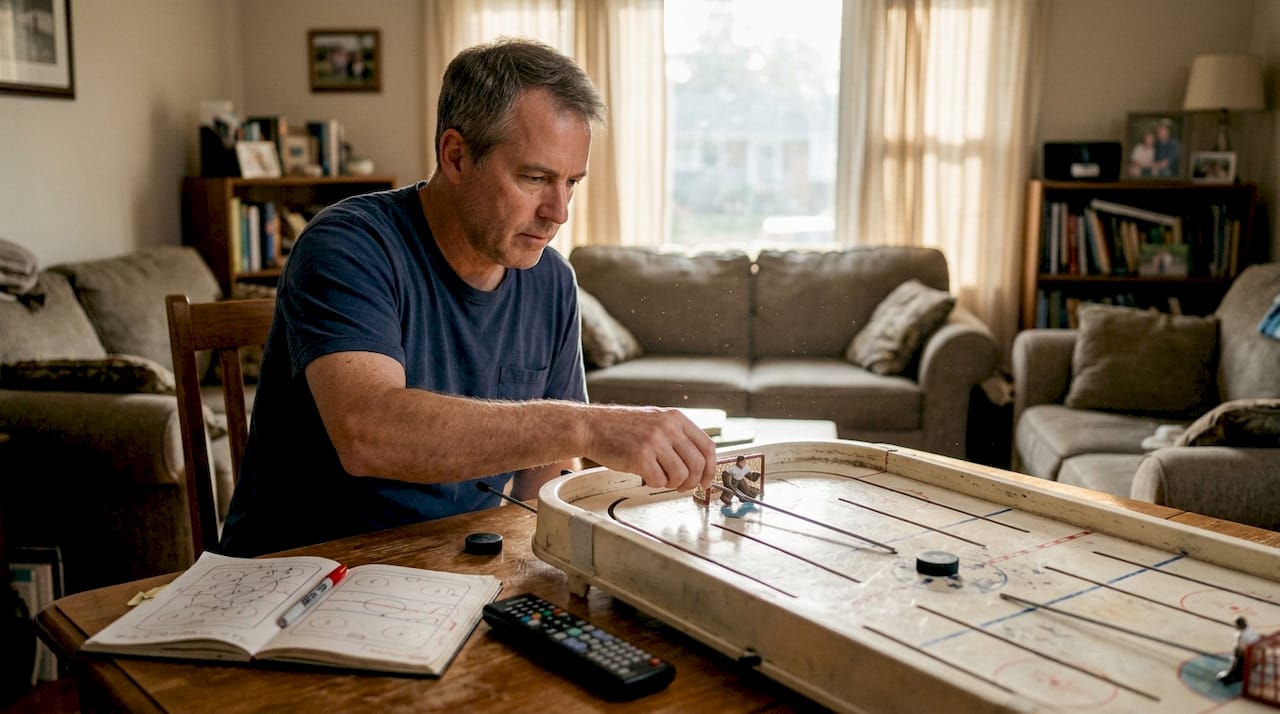
Il portiere ha un solo compito: fermare il disco. Ma l'esecuzione richiede più che far scorrere l'asta a destra e sinistra. Il posizionamento è importante. Un portiere centrato nella porta copre più angoli di uno spinto su un lato. Contro i tiri diagonali, un leggero riposizionamento verso il lato di tiro riduce lo spazio aperto.
I difensori lavorano in coppia. I loro compiti principali:
- Bloccare le linee di passaggio tra il centro e le ali dell'avversario
- Spazzare il disco dalla tua zona difensiva dopo una parata
- Coprire lo slot (l'area direttamente davanti alla tua porta)
- Intercettare i passaggi trasversali prima che raggiungano le aste delle ali
- Transitare rapidamente dal blocco alla spinta del disco in avanti
Per i principianti, l'errore più comune è lasciare l'asta della difesa in posizione neutra. Una difesa piatta è facile da aggirare con il tiro. Inclinare leggermente i difensori verso la traiettoria di tiro più probabile chiude i varchi senza esporsi troppo.
Per i giocatori competitivi, le tattiche difensive avanzate vanno oltre il semplice blocco. Sincronizzare il movimento dell'asta della difesa per indurre l'avversario a un tiro prevedibile è un'abilità che richiede pratica. Puoi anche rivedere i consigli sulle penalità difensive per evitare violazioni comuni mentre giochi in modo aggressivo.
Consiglio da pro: dopo che il tuo portiere ha effettuato una parata, fai scorrere immediatamente l'asta della difesa in avanti. Questo porta i tuoi difensori in posizione per ricevere un passaggio di disimpegno e lanciare un contrattacco. La maggior parte dei principianti si ferma dopo una parata. Quella pausa costa il possesso.
Le aste della difesa fungono anche da punto di reset. Quando sei sotto pressione, tirare indietro entrambi i difensori e centrare il portiere crea un muro compatto che costringe l'avversario a tentare tiri a bassa percentuale da angolazioni difficili.
Centro e ali: controllare l'attacco
L'offensiva nell'hockey da tavolo passa attraverso il centro e le ali. Queste tre posizioni sono le tue principali minacce offensive, e ognuna ha un ruolo distinto nel costruire e finalizzare gli attacchi.
Il centro è la posizione più versatile sul tavolo. Le responsabilità includono:
- Vincere gli ingaggi all'inizio di ogni periodo e dopo le interruzioni
- Spostare il disco dalla zona difensiva alla zona offensiva
- Preparare i tiri per le ali attirando i difensori fuori posizione
- Ritirarsi per supportare la difesa quando l'avversario guadagna il possesso
- Tirare direttamente dal corridoio centrale quando il portiere è fuori posizione
- Gli ingaggi sono un momento critico. Implicano che i centri rimangano sul proprio lato della linea rossa centrale durante la caduta del disco. Violare questa regola assegna il possesso all'avversario. Conoscere le tecniche di ingaggio competitive usate ai massimi livelli può darti un vantaggio immediato nelle battaglie per il possesso.
“Vincere l'ingaggio costantemente non dipende solo dalla velocità. Si tratta di leggere la caduta del disco e riposizionare l'asta del centro per intercettarlo prima che l'avversario reagisca.”
L'ala sinistra e l'ala destra operano dai corridoi esterni. Il loro compito è creare angoli di tiro che il portiere non può coprire facilmente dal centro. Un tiro da un'angolazione ampia sul lato destro costringe il portiere a muoversi lateralmente, aprendo spazio sul lato sinistro per un tentativo di follow-up.
Il gioco delle ali diventa più efficace quando coordini i movimenti delle aste. Fai scorrere l'asta del centro per attirare l'attenzione, quindi passa all'asta dell'ala per il tiro. Questo coordinamento tra due aste è una delle prime vere strategie offensive che i principianti dovrebbero praticare. Non richiede alcuna tecnica avanzata, solo consapevolezza di come le posizioni interagiscono.
Anche la flessibilità è importante. Nell'hockey da tavolo, un'ala che rimane sempre larga è prevedibile. Spostare l'asta dell'ala verso l'interno occasionalmente crea confusione e apre nuove opzioni di passaggio attraverso il corridoio centrale.
Confronto tra le posizioni: punti di forza, lavoro di squadra e gioco strategico
Ogni posizione ha punti di forza specifici. Conoscerli ti aiuta a decidere dove concentrare il tuo tempo di pratica e come adattare la tua strategia a metà partita.
| Posizione | Punto di forza chiave | Debolezza principale | Ideale quando |
|---|---|---|---|
| Portiere | Parata | Nessun ruolo offensivo | L'avversario sta attaccando |
| Difensore sinistro | Copertura lato sinistro | Raggio limitato | Bloccare tiri laterali |
| Difensore destro | Copertura lato destro | Raggio limitato | Bloccare passaggi trasversali |
| Centro | Versatilità | Troppo dispersivo | Transizione di gioco |
| Ala sinistra | Angoli di tiro ampi | Corridoio stretto | Creare tiri diagonali |
| Ala destra | Pressione lato destro | Corridoio stretto | Forzare il movimento del portiere |
Le partite competitive durano 5 minuti con supplementari a morte improvvisa, e le regole sul possesso impediscono le perdite di tempo. Questa pressione temporale significa che non puoi specializzarti in una sola posizione. Devi gestire tutte e cinque le aste in modo efficiente.
Ecco come il lavoro di squadra tra le posizioni guida i risultati:
- Transizione dalla difesa al centro: Dopo un disimpegno difensivo, l'asta del centro dovrebbe essere già posizionata per ricevere il disco nella zona neutra.
- Combinazione centro-ala: Usa il centro per attirare la difesa avversaria verso l'interno, quindi rilascia per un'ala per un tiro ampio.
- Taglio dall'ala al centro: Se l'ala è bloccata, far scorrere il disco verso il centro apre una corsia di tiro diretta.
- Uscita dal portiere alla difesa: Dopo una parata, un passaggio controllato all'asta della difesa avvia una manovra di possesso pulita.
Per i giocatori che cercano di andare oltre le basi, studiare le posizioni avanzate dei giocatori rivela come i migliori concorrenti concatenano queste transizioni in schemi ripetibili. Tracciare i propri risultati utilizzando le statistiche delle partite competitive aiuta a identificare quali posizioni necessitano di maggior lavoro.
Scegli una posizione su cui concentrarti a ogni sessione di pratica. Ruota tra tutte e sei nel tempo. Questo costruisce abilità equilibrate più velocemente rispetto al cercare di migliorare tutto in una volta.
Perché padroneggiare le transizioni di posizione trasforma le tue abilità nell'hockey da tavolo
La maggior parte dei giocatori tratta attacco e difesa come problemi separati. Praticano i tiri. Praticano le parate. Ma il vero divario di abilità tra giocatori medi e forti è nelle transizioni, il momento in cui la difesa diventa attacco e viceversa.
Le nazioni leader nell'hockey da tavolo, tra cui Lettonia e Svezia, addestrano costantemente i giocatori a muoversi con fluidità tra il controllo delle aste difensive e offensive. I loro giocatori non si fermano dopo una parata o un disimpegno. La transizione è già in atto prima che il disco si stabilizzi.
Il gioco reattivo è l'impostazione predefinita per i principianti. Aspetti che l'avversario agisca, poi rispondi. Il gioco proattivo significa che le tue aste sono già posizionate per la fase successiva prima che quella attuale finisca. Questo cambiamento di mentalità è ciò che separa i giocatori occasionali da quelli competitivi.
Pratica questo: imposta un esercizio in cui alterni il blocco di un tiro con l'asta della difesa e la spinta immediata dell'asta del centro in avanti per ricevere il disimpegno. Ripetilo finché il movimento non diventa automatico. Monitorare i tuoi progressi insieme alle strategie nazionali utilizzate dai paesi leader fornisce un contesto utile per capire dove può arrivare il tuo gioco.
Consiglio da pro: pratica rapidi cambi di scenario. Blocca un tiro, disimpegna e imposta un attacco in meno di due secondi. Cronometrati. La velocità nella transizione è un'abilità che si può allenare.
Migliora le tue abilità nell'hockey da tavolo con risorse esperte
Pronto a mettere in pratica queste intuizioni? Table Hockey Global riunisce giocatori di ogni livello, dai principianti che imparano a usare le aste ai concorrenti esperti che perfezionano le loro transizioni.
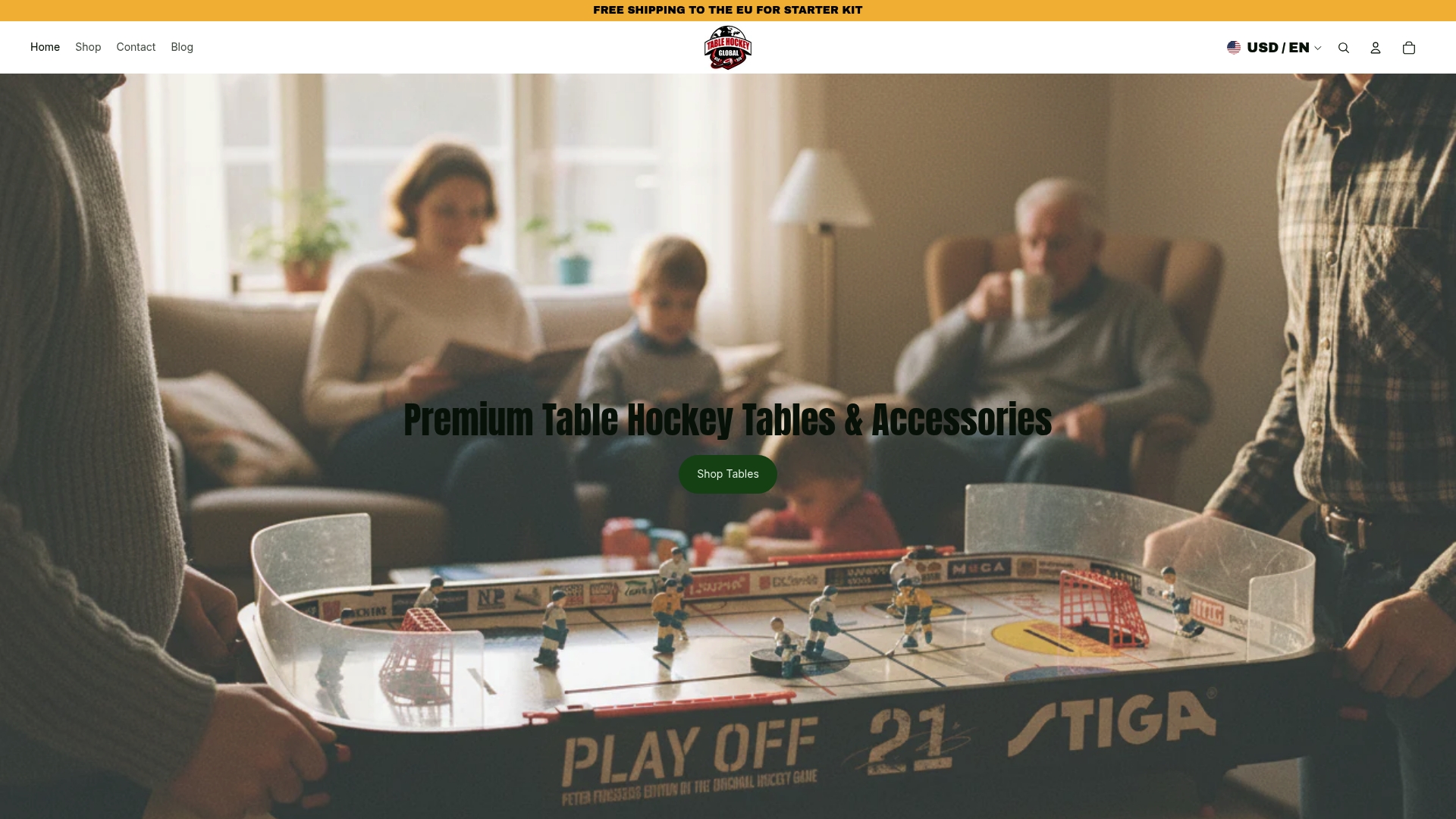
La homepage di Table Hockey Global è il tuo punto di partenza per guide passo-passo, approfondimenti sui giocatori e strumenti della community creati per lo sviluppo reale delle abilità. Se vuoi approfondire ruoli e responsabilità, la guida dettagliata ai ruoli della squadra copre ogni posizione con analisi pratiche. Per i giocatori pronti a spingersi oltre, le strategie di gioco avanzate forniscono il livello successivo di conoscenza tattica. Unisciti alla community, connettiti con altri giocatori e continua a costruire il tuo gioco, una posizione alla volta.
Domande frequenti
Quante posizioni di gioco ci sono nell'hockey da tavolo?
Ci sono sei posizioni: centro, ala sinistra, ala destra, difensore sinistro, difensore destro e portiere. Tutte e sei sono controllate da 5 aste per lato.
Cosa fa il centro nell'hockey da tavolo?
Il centro gestisce gli ingaggi, guida le giocate offensive e può ritirarsi per supportare la difesa. Gli ingaggi richiedono che il centro rimanga sul proprio lato della linea rossa durante la caduta del disco.
Quali sono le chiavi per giocare in difesa nell'hockey da tavolo?
Controllare le aste della difesa per bloccare i tiri ed effettuare parate rapide con il portiere sono le due competenze fondamentali. Inclinare l'asta della difesa verso le probabili traiettorie di tiro chiude i varchi in modo più efficace rispetto al posizionamento neutro.
Quanto durano le partite competitive di hockey da tavolo?
Le partite competitive durano cinque minuti, con supplementari a morte improvvisa utilizzati per decidere le partite in parità. Le regole sul possesso impediscono inoltre ai giocatori di perdere tempo durante i tempi regolamentari.
Quali paesi sono in testa alle classifiche internazionali di hockey da tavolo?
Lettonia e Svezia sono costantemente ai vertici delle classifiche internazionali di hockey da tavolo e sono note per i forti programmi di formazione basati sulle transizioni.
Consigliato
- Ruoli della squadra nell'hockey da tavolo: guida per giocatori e fan – Table Hockey Global
- Guida alle statistiche dell'hockey da tavolo: giocatori e fan 2026 – Table Hockey Global
- Padroneggia il gioco avanzato dell'hockey da tavolo: abilità e strategie 2026 – Table Hockey Global

Ti piacciono i nostri articoli? Aggiungi Table Hockey Global alle tue fonti preferite e Google te ne mostrerà di più.